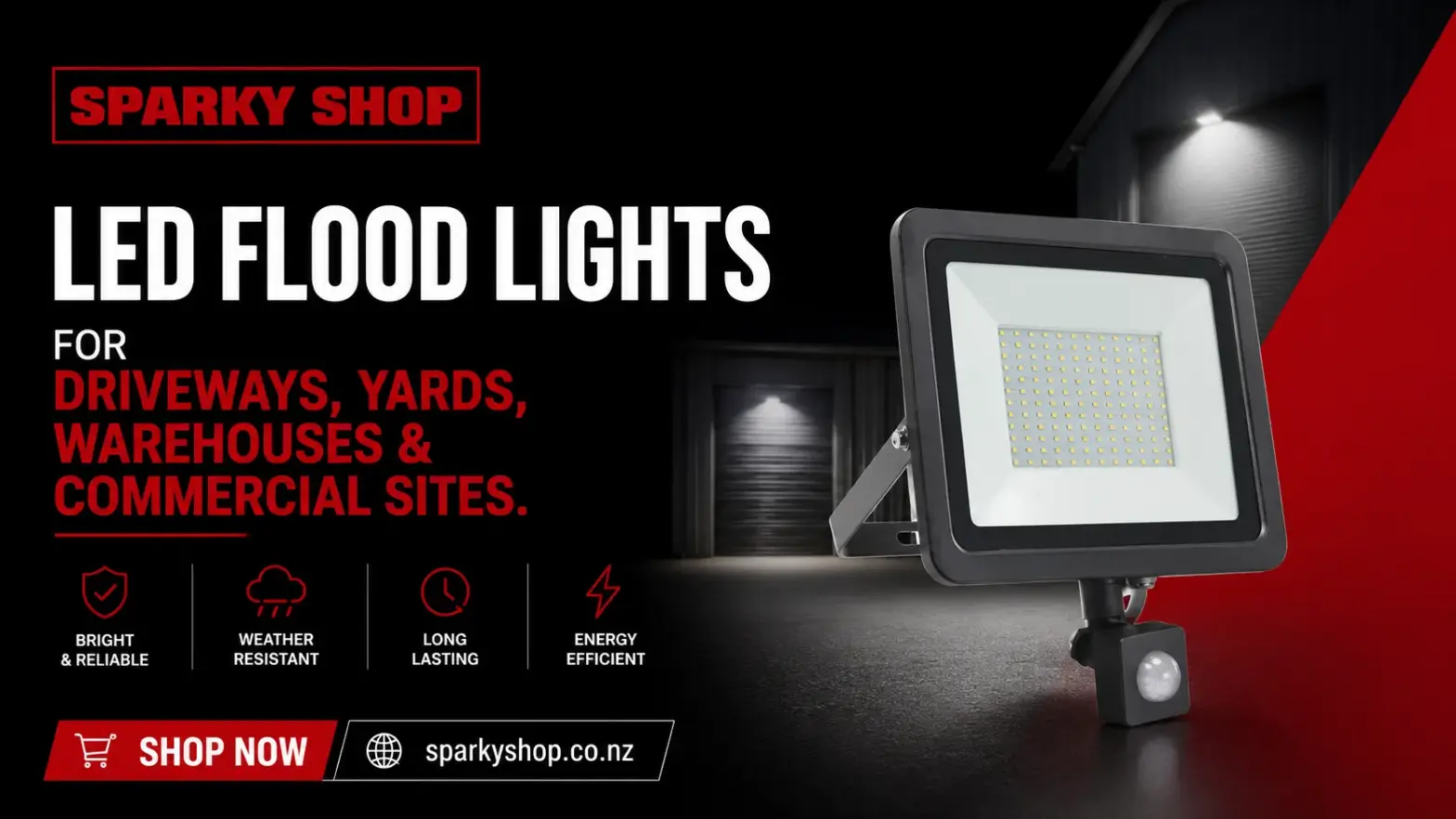
















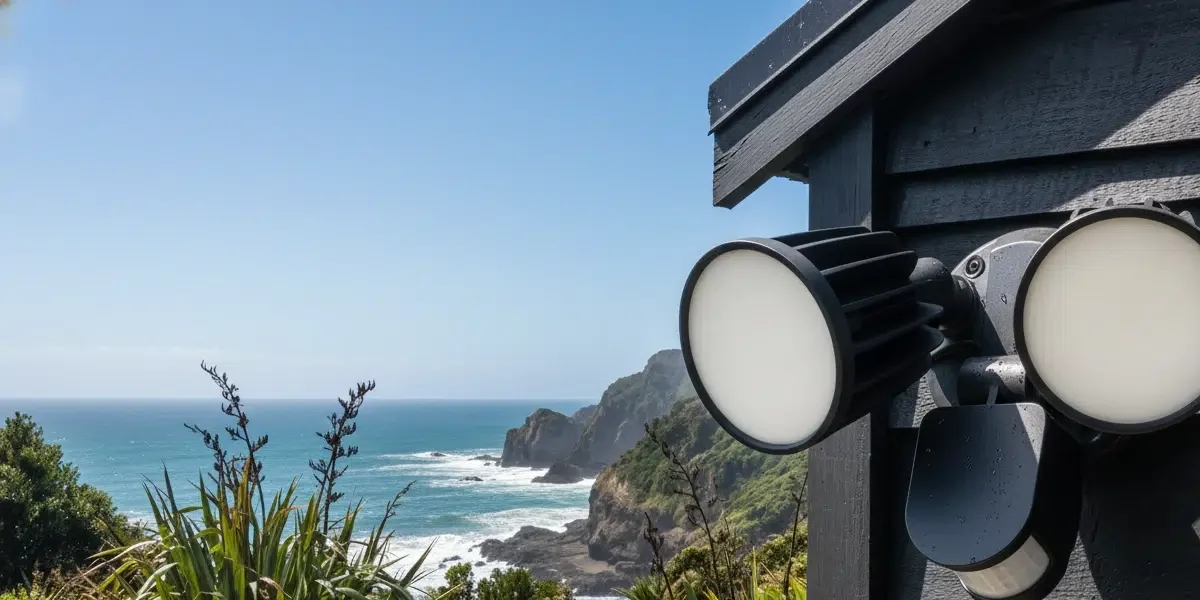
New Zealand’s weather can be unpredictable—sunshine, wind, rain, coastal salt, and rapidly changing temperatures. Because of this, choosing weatherproof security lights IP65 built to handle NZ conditions is essential. A reliable outdoor lighting system improves safety, discourages intruders, and keeps your property well-lit all year round.
In this guide, we highlight the best weatherproof security lights for NZ, the features you should look for, and why LED security lights and PIR sensor security lights are the most dependable options for Kiwi homes.
Why Weatherproof Security Lights Matter in NZ
New Zealand’s climate brings a mix of:
- Heavy rainfall
- Coastal salt exposure
- Windy conditions
- UV-intense summers
- Damp, cold winters
Low-quality lights fail quickly in these conditions. That’s why choosing IP65 or higher security lights is important—they’re designed to withstand dust, rain, wind and extreme weather variations.
Top Features to Look for in Security Lights NZ Homeowners Need
1. IP65 or Higher Weatherproof Rating
A high IP (Ingress Protection) rating is essential for outdoor security lighting, especially in a country with frequent rain, high winds, and coastal salt exposure.
IP65 means the light is completely dustproof and protected against low-pressure water jets—perfect for everyday NZ weather.
Why this matters for NZ:
- Withstands heavy rain and storms
- Prevents water ingress that can damage wiring
- Provides long-term durability in coastal or windy regions
- Ideal for homes in Wellington, West Coast, Auckland, and other high-rainfall areas
For even tougher conditions, IP66 and IP67 lights offer enhanced protection against strong water exposure.
2. LED Technology
Modern LED security lights are the best choice for Kiwi households thanks to their performance, efficiency, and reliability.
Key benefits include:
- Long lifespan – often 30,000–50,000 hours, reducing replacements
- Reduced power consumption – ideal for keeping power bills low
- Brighter, cleaner illumination – excellent visibility at night
- Cool running temperature – extends the life of internal components
- Instant full brightness – no warm-up time, unlike older bulbs
Given rising electricity prices in New Zealand, LED technology is a smart investment for both homeowners and businesses.
3. PIR Motion Sensors
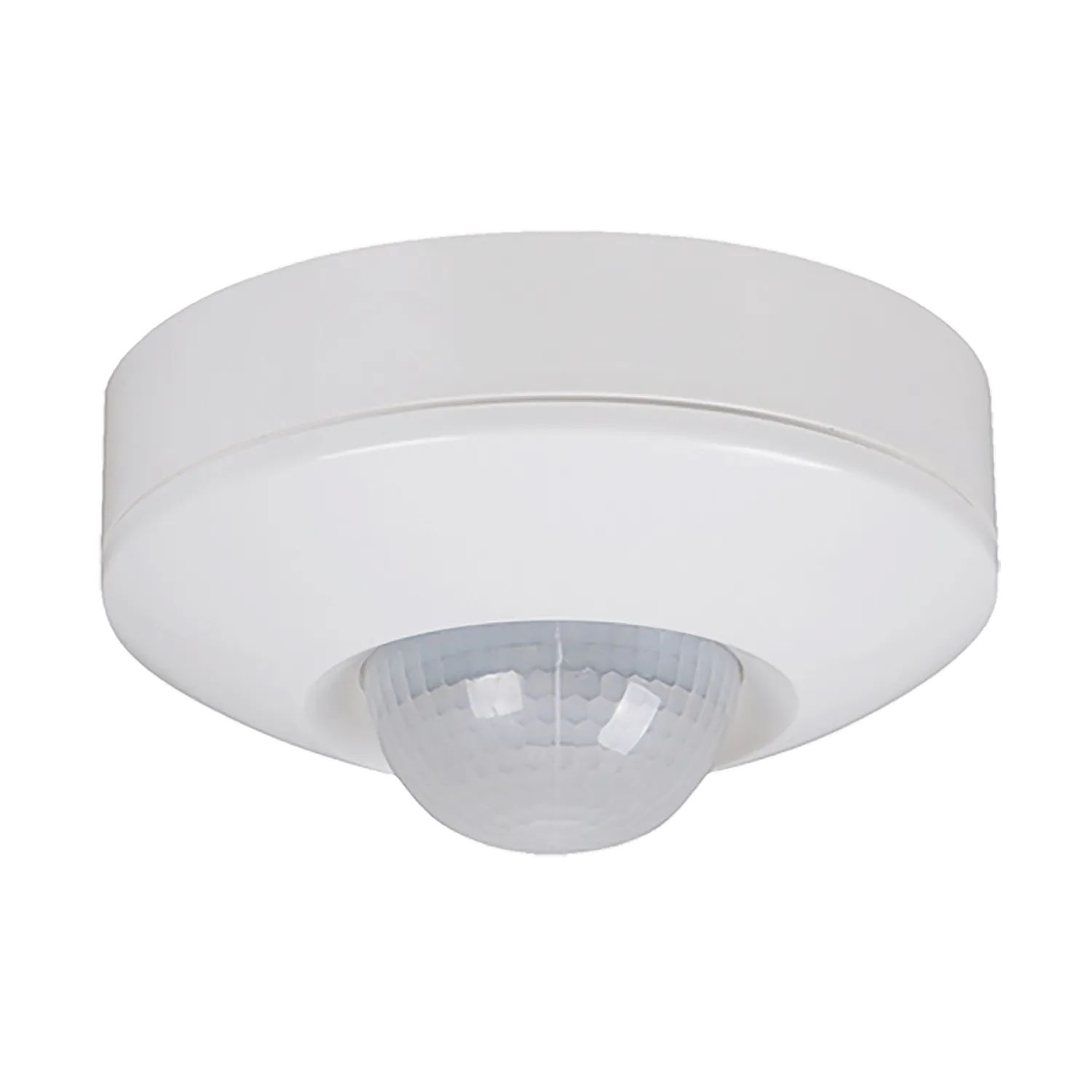
PIR (Passive Infrared) motion sensors are one of the most effective and energy-efficient features for security lights NZ homeowners install.
Benefits:
- Lights activate only when movement is detected
- Saves power compared to always-on lighting
- Deters intruders by responding to motion instantly
- Provides convenience when approaching your home at night
A good PIR sensor should also include:
- Adjustable sensitivity
- Adjustable timer settings
- Adjustable detection range
- Fan-shaped wide detection pattern
This ensures the light triggers when it should—without constant false alarms from pets or distant movement.
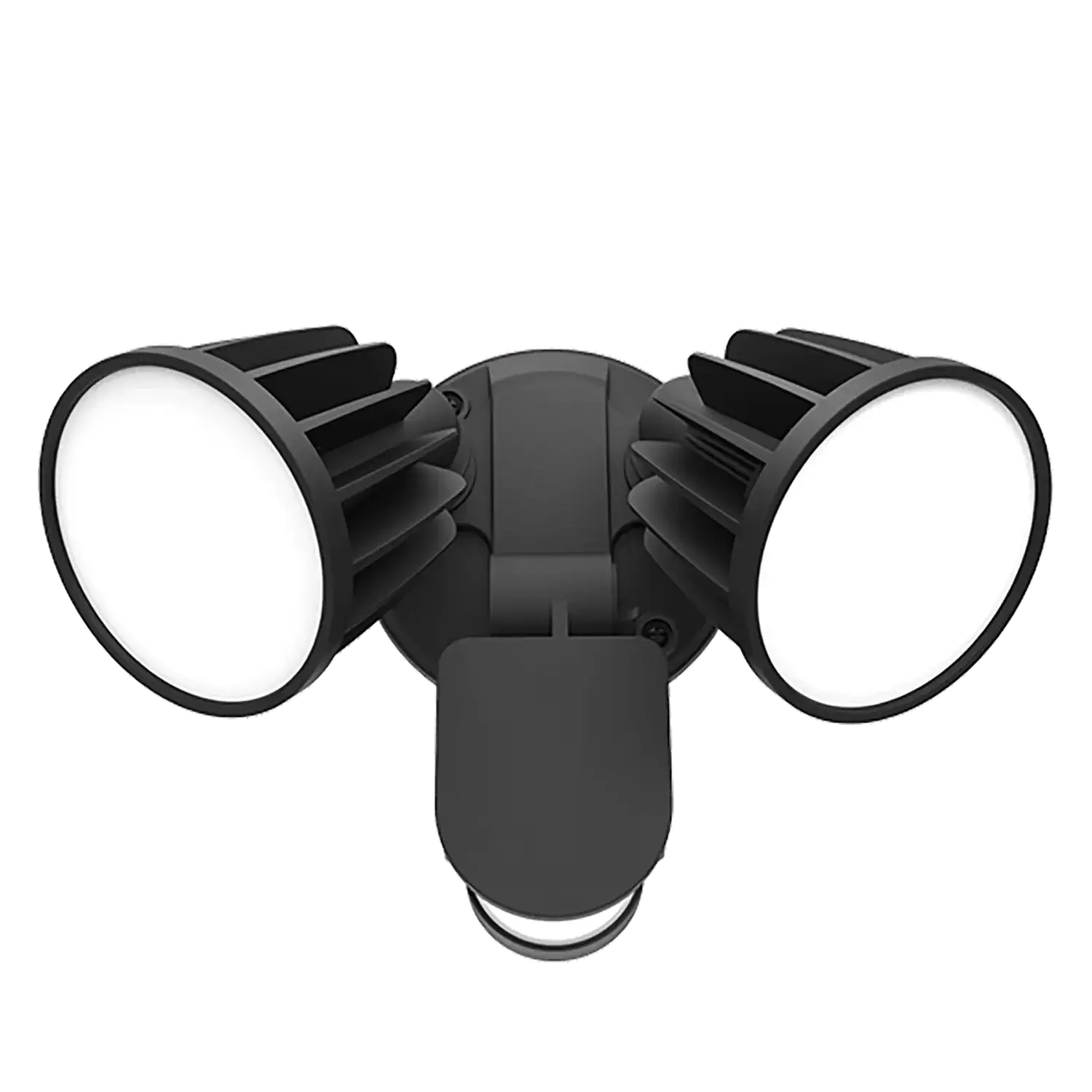
4. Adjustable Light Heads
Adjustable heads are crucial for directing light exactly where you need it most. This feature is especially helpful for NZ homes with:
- Long driveways
- Multi-level houses
- Dark side paths
- Outdoor entertainment areas
- Rural properties with wide open spaces
Benefits of adjustable heads:
- Lets you cover multiple angles with a single light
- Reduces blind spots around your home
- Allows DIY customisation of your lighting layout
- Improves security by focusing light on high-risk zones
Twin- and triple-head LED security lights offer wider, more flexible coverage.
How PIR Sensor Security Lights Work (Important for NZ Homes)
Many NZ homeowners choose PIR sensor security lights, but understanding how they work helps you get the best performance.
What a PIR Sensor Detects
A PIR (Passive Infrared) sensor detects changes in heat within its field of view. Heat sources that may trigger a PIR sensor include:
- People
- Animals
- Heat from air-conditioning units
- Warm air currents
- Sunlight on windows
- Incandescent lamps
Because a PIR sensor relies on heat detection—not sound, vibration, or light—it cannot detect heat through walls or solid objects. It only senses heat within its direct line of sight.
PIR Sensor Detection Range and Accuracy
PIR sensors detect motion within a fan-shaped pattern, and their sensitivity varies with distance:
- Within 3 metres → can detect very small motions, like hand movements
- 10 to 15 metres away → only larger movements will trigger the sensor
PIR sensors are most reliable within a 7-9 metre range, even if the spec sheet says up to 15 metres. This is because:
- Blind spots increase with distance
The wedge-shaped detection zones have gaps that widen the farther away movement is, reducing sensitivity.
- PIR sensors are passive
They don’t send out signals—they only read heat energy.
The intensity of heat decreases significantly with distance (it drops with the square of the distance), reducing reliability the farther someone is from the sensor.
Bottom Line:
PIR sensor security lights work extremely well when positioned correctly and used within their optimal range.
Best Types of Weatherproof Security Lights for NZ
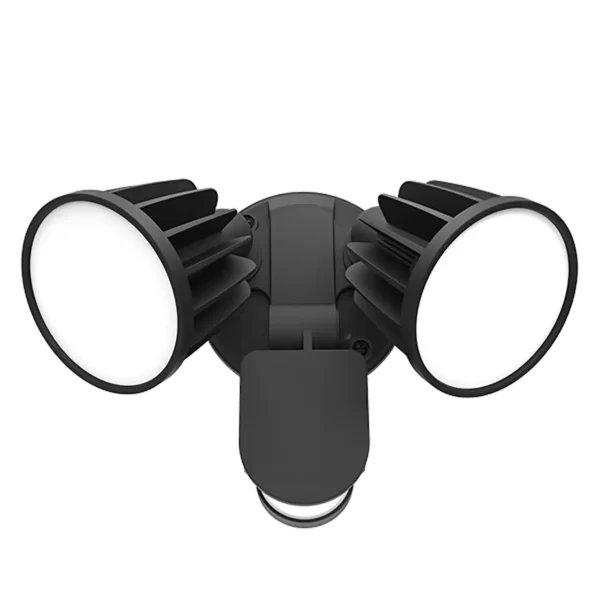
30W Outdoor Security Light Tri Colour
Explore our best 30W outdoor security light that offers robust security solutions for residential and commercial settings. Our 30W exterior LED security light is made from high-quality materials. It has…
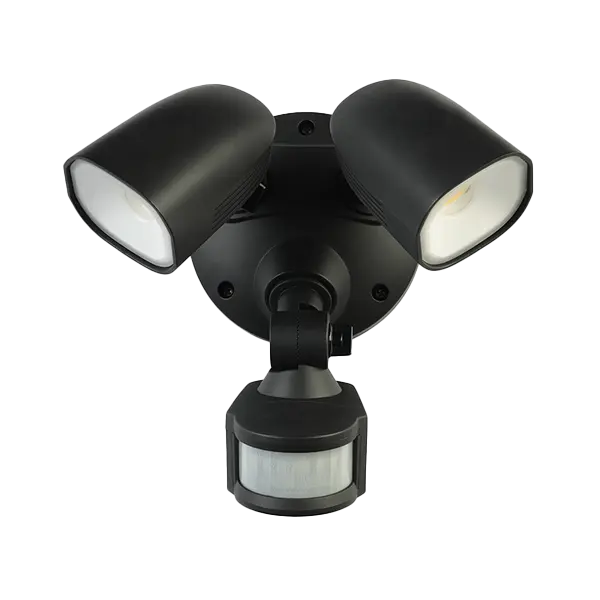
20W Exterior LED Security Light
This 20W exterior LED security light is suitable for installation on both walls and ceilings under eaves. Our 20W exterior LED light is constructed from durable UV-stabilized polycarbonate. This advanced…
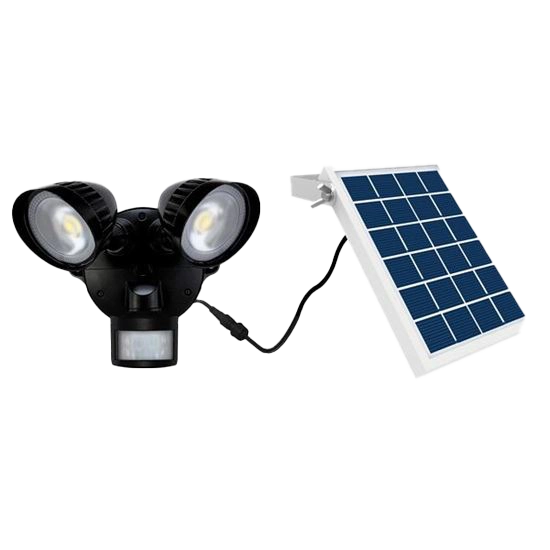
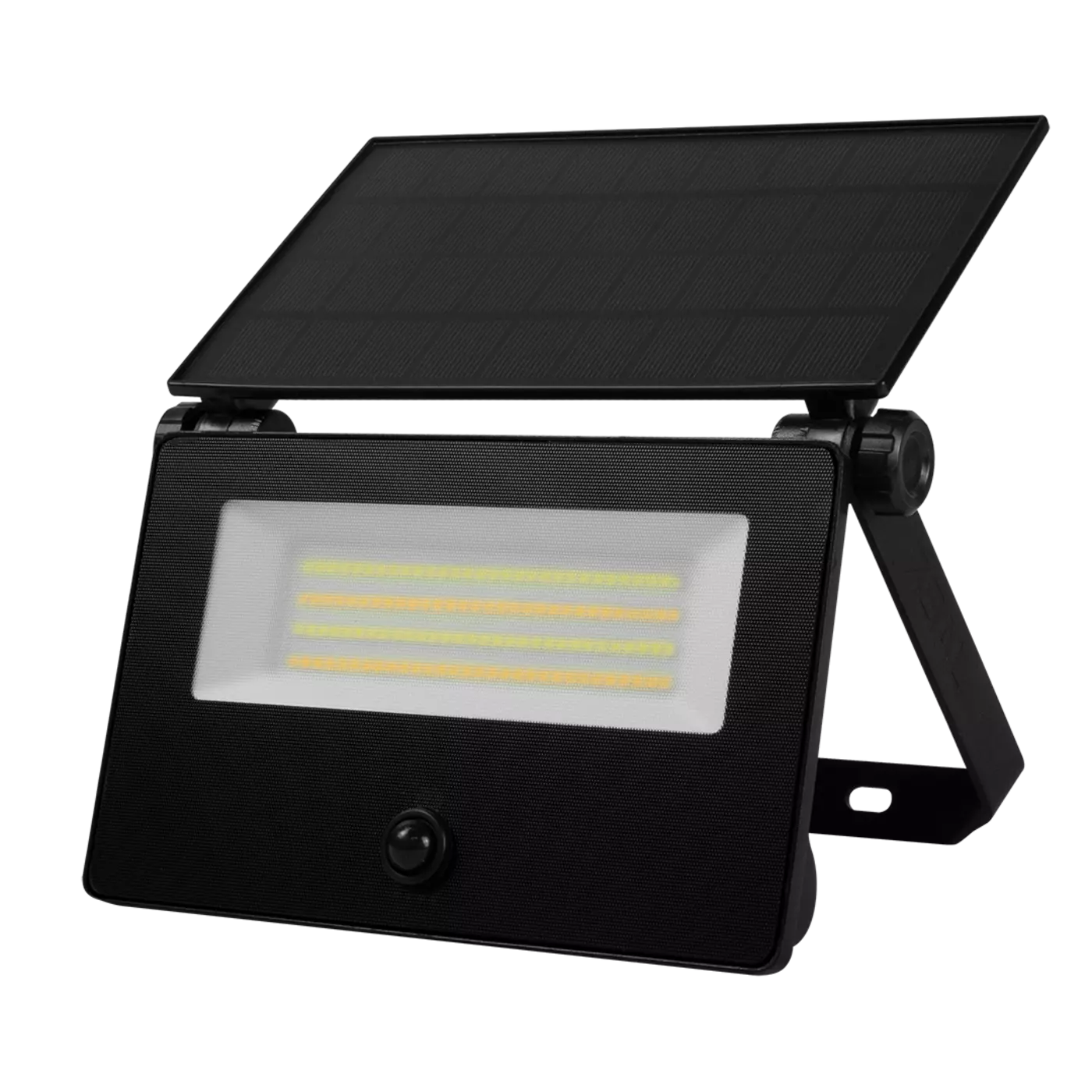
16W Solar Security Light – Motion Sensor
Our 16W solar spotlight (2 X 8W twin spotlights) offer reliable outdoor security with an integrated motion sensor and efficient solar panel. Featuring a 6000mAh battery with a quick 8-hour…
Benefits of LED Security Lights
Choosing LED over halogen or incandescent provides:
- Up to 85% lower power usage
- Brighter, sharper lighting
- Reliable performance in extreme weather
- Reduced maintenance
- Cooler operation (important for electronics durability)
Best Places to Install Security Lights
For maximum effectiveness, install lights:
- Above garage doors
- Near front and back entrances
- Along pathways and fences
- In dark corners
- Around sheds and outbuildings
- Over driveways
Combining LED brightness with PIR motion sensors provides a safe, energy-efficient setup.
Choosing the Best Security Lights in NZ
Selecting the right security lights for your home is essential for long-term safety, performance, and durability—especially in New Zealand’s unpredictable weather. With constant exposure to rain, wind, UV light, and coastal salt, Kiwi homeowners need to invest in lighting that can withstand tough outdoor conditions. Below are the key factors to consider when choosing the best security lights in NZ, along with why quality materials and engineering make a major difference.
Durable, Corrosion-Resistant Material Matters
One of the most important features of a quality security light is the material used for the housing. Low-grade plastics or thin metals often crack, fade, or rust quickly when exposed to the elements. That’s why aluminium housing is the superior choice for New Zealand homes. Aluminium is naturally corrosion-resistant, making it ideal for coastal and humid environments, and its strong yet lightweight structure ensures the light can handle both high heat and cold temperatures without warping. It also offers excellent heat dissipation, which protects internal components and extends the overall lifespan of your security light.
High-Quality LED Chips for Better Performance
The effectiveness of your LED security light depends heavily on the quality of the LED chips. Premium LEDs deliver brighter, clearer illumination while using far less energy than halogen or cheap LED alternatives. They resist fading, flickering, and colour shifts over time, ensuring consistent performance even during NZ’s cold winters or damp conditions. By choosing high-quality LEDs, homeowners get a brighter, more reliable light with significantly lower running costs.
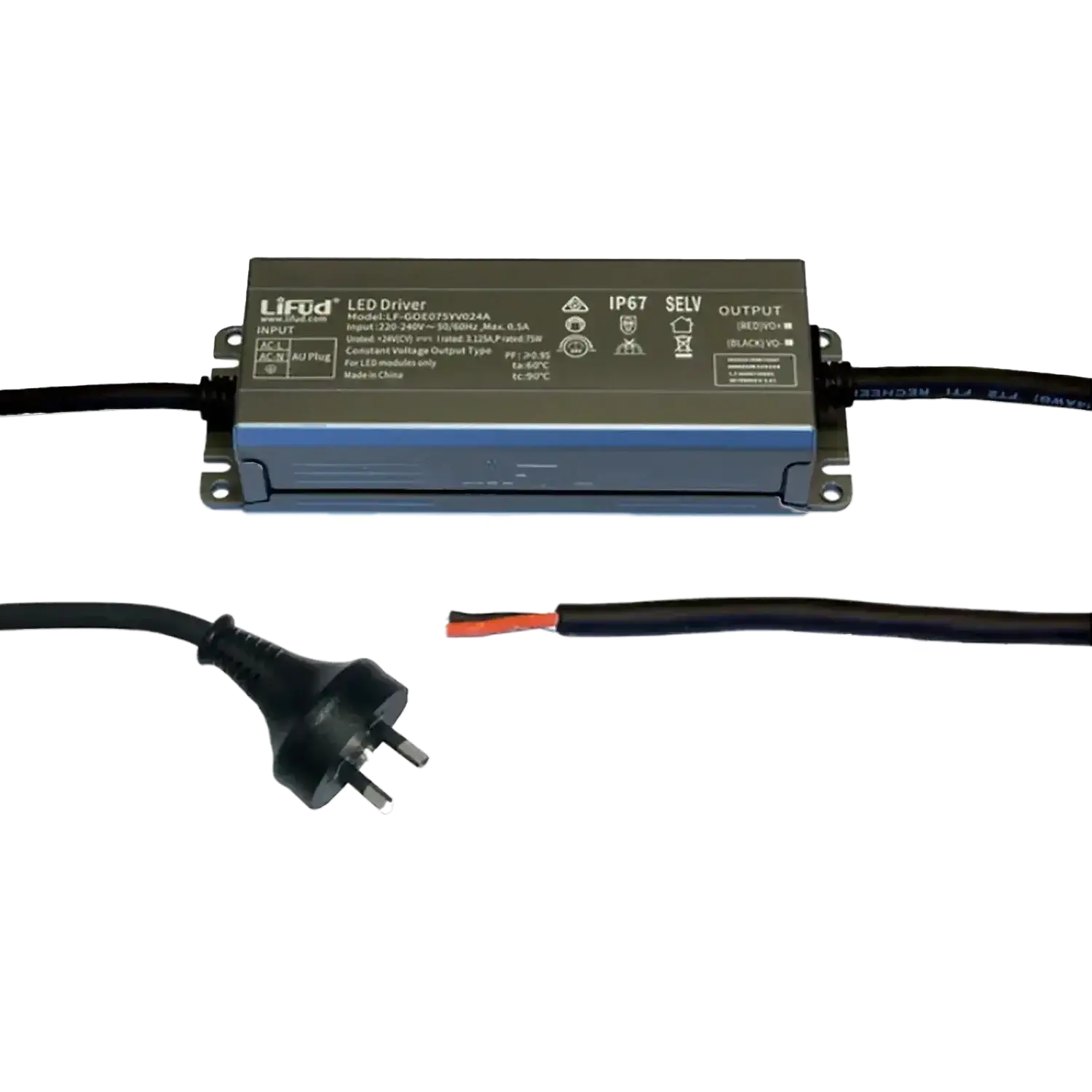
Reliable LED Drivers for Long-Lasting Operation
Many homeowners don’t realise that the LED driver is one of the most critical components inside a security light. The driver regulates power and ensures the LEDs run smoothly without flickering or overheating. Poor-quality drivers are the main cause of early light failure, especially outdoors. A high-quality driver ensures stability during voltage changes, improves energy efficiency, and keeps the LEDs performing at their best in both hot and cold environments. If the driver fails, the entire light fails—so investing in a quality unit is essential.
Built for Harsh NZ Weather
To handle New Zealand’s outdoor conditions, security lights must be designed with durability in mind. Always choose products with at least an IP54 – IP65 waterproof rating to ensure resistance against rain and moisture. UV-resistant coatings, weather-sealed wiring, and strong construction all help protect your light from environmental damage. Whether you live in a coastal area with salty air or a region with heavy rainfall and wind, weatherproofing is essential for long-term performance.
Why Sparky Shop Products Stand Out
At Sparky Shop, we understand the unique demands of the New Zealand climate, which is why we only offer security lights that meet strict durability and performance standards. Every product we stock undergoes rigorous testing under harsh simulated conditions to ensure it can withstand real-world use. Our team thoroughly reviews all testing reports, checks corrosion resistance, evaluates LED and driver quality, and confirms overall reliability before adding any item to our catalogue.
When you choose Sparky Shop, you’re choosing a product that has been carefully vetted—giving you true peace of mind and long-lasting value.
FAQS – LED Security Lights
-
Do PIR lights work during the daytime?
Most PIR lights include a day/night (LUX) adjustment, allowing you to set whether they activate only at night or at any time.
-
What types of outdoor security lights are commonly used?
Motion-sensor lights — These turn on when movement is detected (e.g. PIR or microwave sensors). Good for driveways, entrances, backyards.
Dusk-to-dawn lights (photocell) — They switch on at night and off at dawn, offering continuous security lighting.
Fixed floodlights & wall/porch lights — Provide steady illumination for larger areas. -
What IP rating do outdoor lights need?
For full outdoor exposure, look for IP65 or higher.
Under cover (eaves/porches), IP44+ is usually sufficient. -
Can I install a security light myself?
You can install plug-in or solar lights yourself.
For hard-wired lights, a licensed electrician is recommended.