














When it comes to installing downlights in your home, safety and quality should always come first. Choosing the right type of downlight is not only important for achieving the perfect look but also for protecting you, your family, and your property. Although most downlights may look similar, they differ greatly in function, features, and build quality.
At Sparky Shop, we want to help you make an informed decision before you buy or install your downlights. Here’s what you need to know:
1. Integrated vs. Replaceable LED Downlights
Most modern downlights come with integrated LEDs, meaning the LED chip and driver are built into the fitting and cannot be replaced separately. The good news is that integrated LEDs are designed to last for many years, often up to 30,000–50,000 hours, so you won’t need to change them frequently.
However, there are still models available that allow you to replace the LED bulbs. If you prefer more flexibility or want the option to change the LEDs in the future, these models can be a good choice. Keep in mind, though, that you’ll need to use the correct type of replacement LED, and finding the right fit can sometimes be difficult. If the compatible bulb is unavailable, you may end up needing to replace the entire unit.
Before making your decision, carefully consider your long-term requirements. Most integrated LED downlights now come with tri-colour options, giving you the flexibility to adjust the colour temperature (warm, neutral, or cool white) to suit your space and mood — without needing to replace any components.
2. Choosing the Right Colour Temperature
Lighting colour can dramatically affect the look and feel of a space. Choose a warm white for cozy living areas, a neutral white for general spaces, and a cool white for workspaces or bathrooms. Always check the colour temperature (measured in Kelvin) before purchasing to ensure consistency throughout your home.

Carefully consider your long-term requirements. Most LED downlights now come with tri-colour options, giving you the flexibility to adjust the colour temperature (warm, neutral, or cool white) to suit your space and mood — without needing to replace any components.
3. Electrical Wiring and Connections
When wiring downlights, safety is crucial.
- Strip the correct length of wire — leaving no exposed copper.
- Ensure all connections are secure and tight.
- Most downlights are wired in a daisy chain circuit. This means each fitting must have proper live, neutral, and earth connections.
Avoid cheap connectors that only have two input points, as they aren’t suitable for daisy chain wiring.
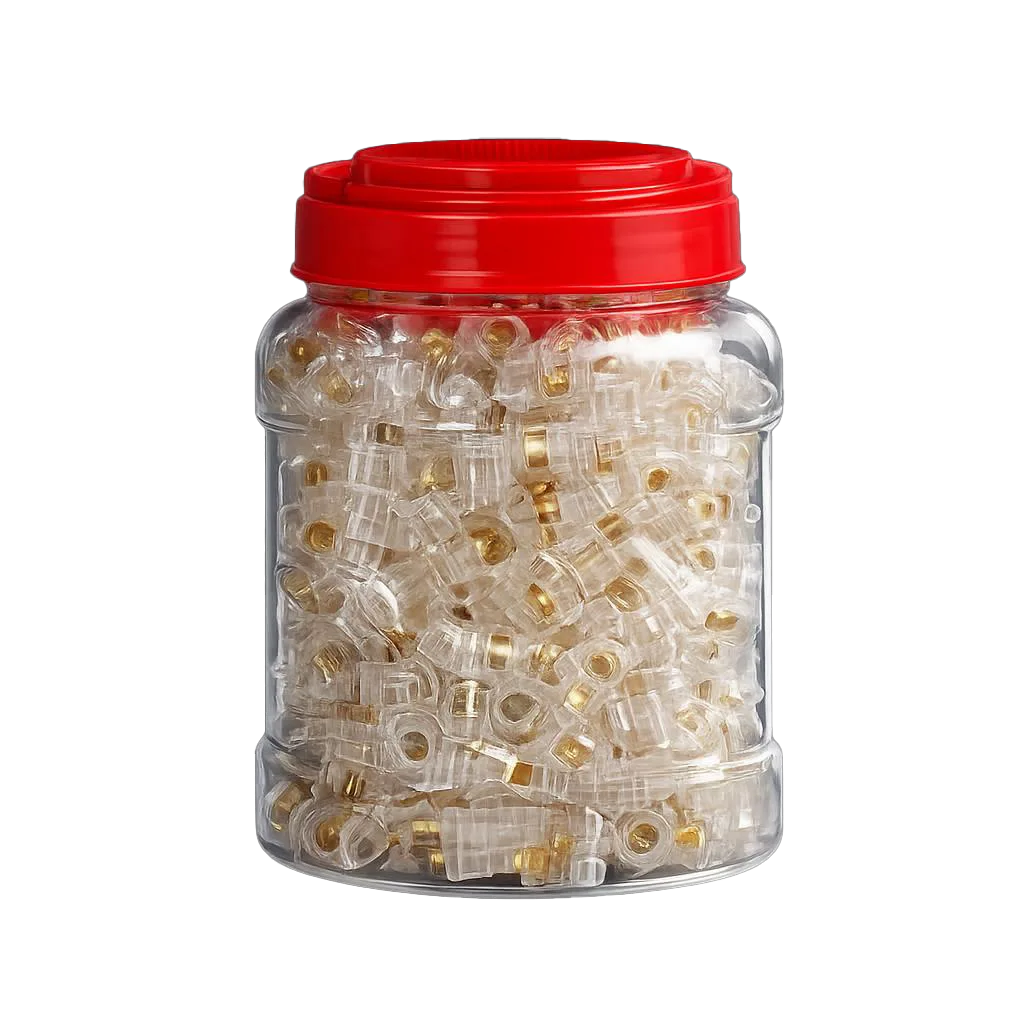
At Sparky Shop, our 8W quick connector downlights come with high-quality connectors that include live, neutral, and earth terminals, making installation safe, easy, and secure.
4. Insulation and Fire Safety
Insulation plays a big role in ceiling safety and energy efficiency. Some downlights require insulation to be kept clear from the fitting, as trapped heat can cause the light to overheat and even create a fire hazard.
If your downlights do not have an IC-F rating, you will need special fire-rated covers, which can add extra cost to your project.
At Sparky Shop, we stock IC-F rated downlights, which means insulation can safely sit directly on top of them. This ensures there are no gaps in the insulation, maintaining your home’s energy efficiency and keeping your family safe.
5. Water Resistance (IP Rating)
For wet or outdoor areas, always check the IP (Ingress Protection) rating:

- IP54 – Suitable for areas exposed to light splashes of water (e.g., bathrooms).
- IP65 – Suitable for areas exposed to water jets or heavy moisture (e.g., outdoor ceilings).
Remember: always use a qualified electrician for any electrical work in wet areas to ensure compliance with New Zealand safety standards.
6. Fire Rating of Ceilings
When installing downlights, it’s important to understand that every hole cut into your ceiling reduces its overall fire resistance. Ceilings are designed to slow down the spread of fire between rooms or levels of a building. When you cut openings for lighting, you create potential pathways for flames, heat, and smoke to travel through more quickly in the event of a fire.
If the downlights or fittings are not properly sealed or fire-rated, a fire that starts in one room can spread rapidly through these gaps, compromising the safety of your entire property.
Another common issue occurs when the downlights do not fit snugly into the ceiling hole. If the fitting is loose or “wobbly,” air can circulate more freely around it. This unwanted airflow can feed oxygen to a fire, causing it to spread faster and making it more difficult to control. Loose fittings can also allow more heat to escape into the ceiling cavity, increasing the risk of insulation overheating or igniting.
That’s why it’s essential to:
- Cut the correct size hole for the specific downlight model you’re installing.
- Use fire-rated downlights that are tested and approved for maintaining ceiling integrity.
- Ensure a snug, stable fit so there are no gaps, wobbles, or loose edges.
- Avoid overcutting or reusing old ceiling holes that are too large for your new fittings.
By choosing the right size and properly fire-rated downlights, you help maintain the fire barrier your ceiling provides and reduce the risk of flames spreading through your home.
7. Understanding Quality and Heat Dissipation
Not all downlights are built the same. Some cheaper models use thin aluminium layers for heat dissipation and poor-quality LED drivers, causing them to fail within 6–12 months. Poor heat management can damage the LED chips, leading to flickering, dimming, or complete failure.
Look for LED downlights with solid aluminium heat sinks and high-quality drivers — these will ensure the LEDs run cooler and last much longer.
8. Expert Advice You Can Trust
At Sparky Shop, our team of lighting experts has years of experience in the electrical and lighting industry. We’re here to help you choose the right type of downlights for your home or office anywhere in New Zealand. Whether you need IC-F rated fittings, IP65 waterproof options, or professional advice, we’ll ensure you get quality, safety, and long-term performance.
FAQs
What is the difference between integrated and non-integrated LED downlights?
Integrated LED downlights have built-in LED chips and drivers, meaning you can’t replace the bulb separately — but they typically last for many years without maintenance.
Non-integrated downlights, on the other hand, allow you to replace the LED bulb when it fails, but you must ensure the replacement is the correct size, wattage, and fitting type.
What does “IC-F rated” mean, and why is it important?
An IC-F rating indicates that the downlight is safe to be covered with ceiling insulation. This prevents heat build-up and reduces fire risk. If a downlight is not IC-F rated, insulation must be kept clear of the fitting — otherwise, it can overheat and become a hazard. Always check for the IC-F mark before buying.
Can downlights affect the fire rating of my ceiling?
Yes. Cutting holes in the ceiling for downlights can reduce the ceiling’s fire resistance. Using fire-rated or IC-F rated downlights helps maintain the fire integrity of your ceiling and improves safety.
Why do some LED downlights flicker or fail early?
Flickering or early failure is often caused by poor-quality drivers, thin heat sinks, or inadequate ventilation. Cheaper downlights may save money upfront but often fail within 6–12 months.