



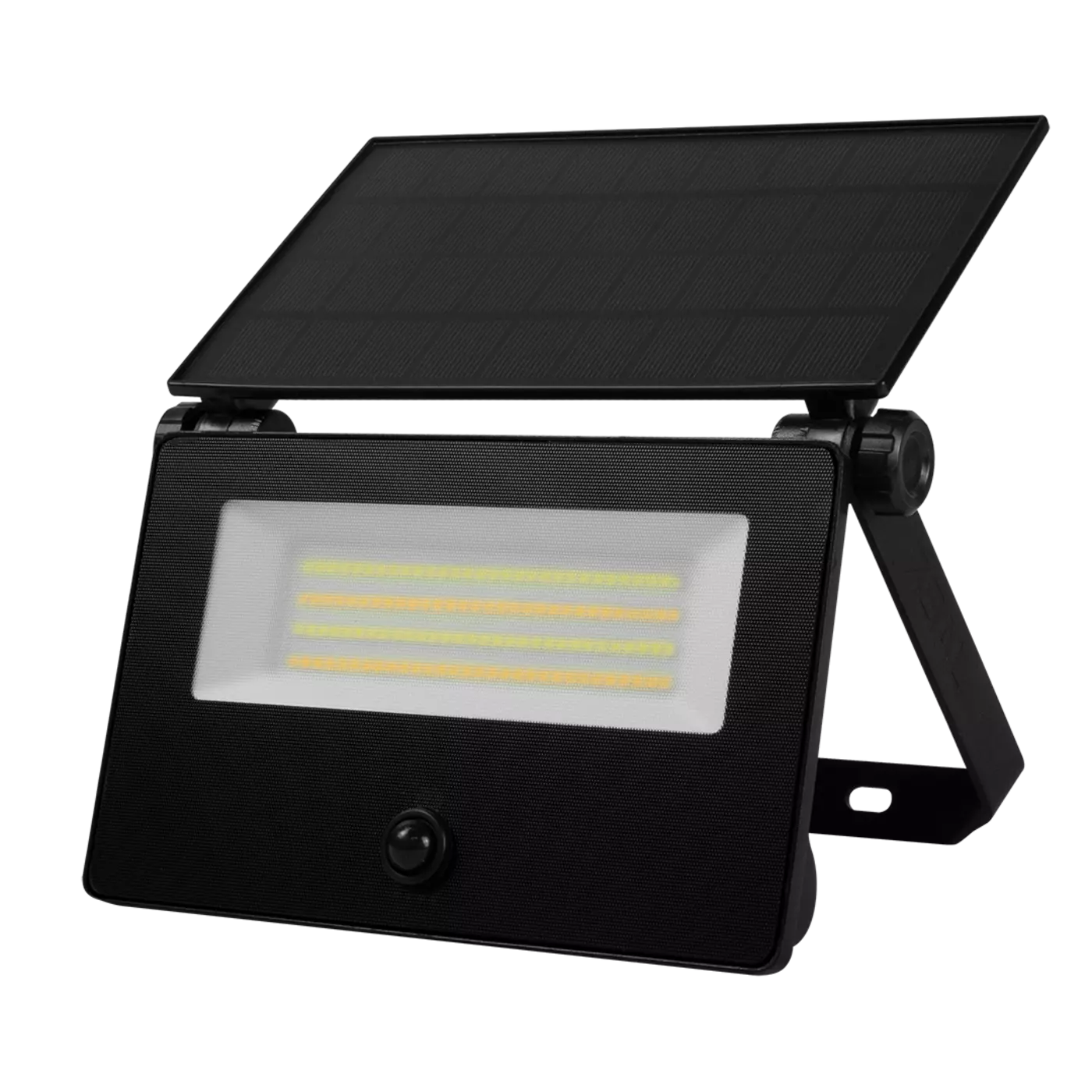











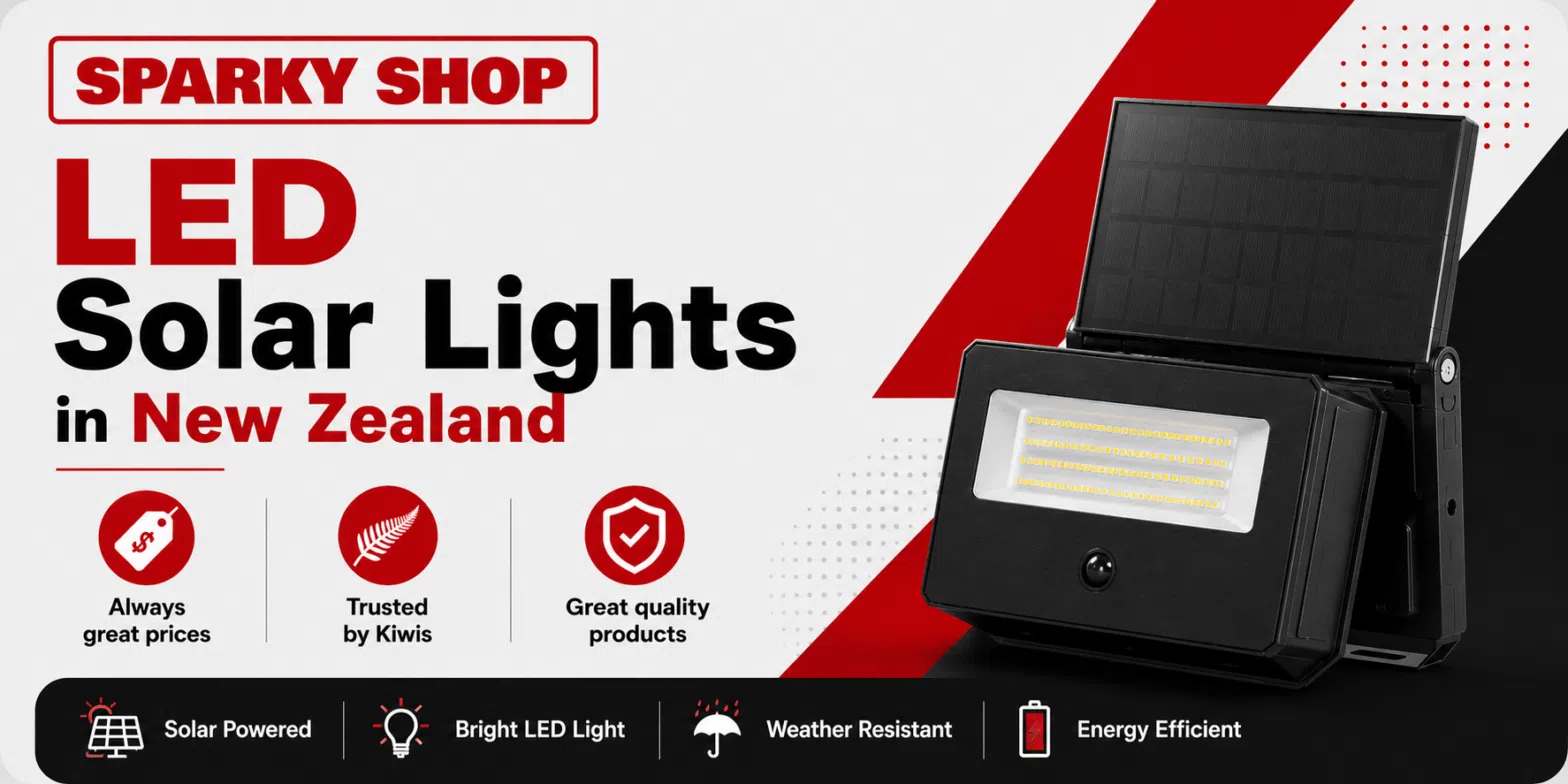
Outdoor solar security lights are becoming one of the smartest upgrades for New Zealand homes. They improve security, reduce power bills, and provide reliable lighting without the cost of running electrical cables.
If you’re buying motion-sensor exterior solar lights for your home, driveway, shed, farm, or business, here are the key features every Kiwi homeowner should understand before making a purchase.
Why Choose Motion Sensor Solar Lights?
Motion sensor solar lights only turn on when movement is detected. This gives you several advantages:
- Lower electricity costs
- Better security around entrances and pathways
- Longer battery life
- Reduced light pollution
- Easy installation with no electrician required in many cases
Motion Sensor LED Solar Lights are ideal for:
- Driveways
- Garages
- Side entrances
- Rural properties
- Decks and patios
- Commercial yards
Key Features to Check Before Buying Motion Sensor Solar Lights.
1. IP Rating – Weather Protection Matters in NZ
New Zealand weather can be tough on outdoor lighting, especially in coastal, rural, and high-rainfall areas. That’s why the IP rating is one of the first things you should check when buying exterior solar lights.
An IP (Ingress Protection) rating measures how well the light is protected against dust and water. For most homes in New Zealand, IP65 is considered the ideal minimum rating for outdoor wall-mounted solar lights.
IP65 means the fitting is:
- Fully dust-tight
- Protected against heavy rain and water jets
This level of protection helps prevent moisture damage and improves long-term reliability. If the light will be installed in exposed coastal or farm environments, choosing IP66 or IP67 can provide even better protection against harsh weather conditions.
2. Battery Type and Capacity
The battery plays a major role in how well a solar light performs. It affects brightness, runtime, charging efficiency, and overall lifespan.
Most quality solar lights use either:
- Lithium-Ion batteries
- LiFePO4 batteries
Lithium-Ion batteries are common, affordable, and charge quickly. LiFePO4 batteries are a more premium option and are known for their longer lifespan, improved temperature resistance, and better long-term reliability in New Zealand conditions.
Battery capacity is measured in mAh. Higher-capacity batteries generally provide:
- Longer operating time
- Better performance during winter
- Improved reliability during cloudy weather
3. Charging Time
Solar lights rely entirely on sunlight, so charging performance is important. Most quality motion sensor solar lights require around 6–8 hours of direct sunlight for a full charge.
Choosing a light with:
- High-efficiency solar panels
- Smart charging technology
- Larger battery storage
…can help maintain reliable performance during shorter winter days and extended cloudy periods.
4. Motion Sensor Performance
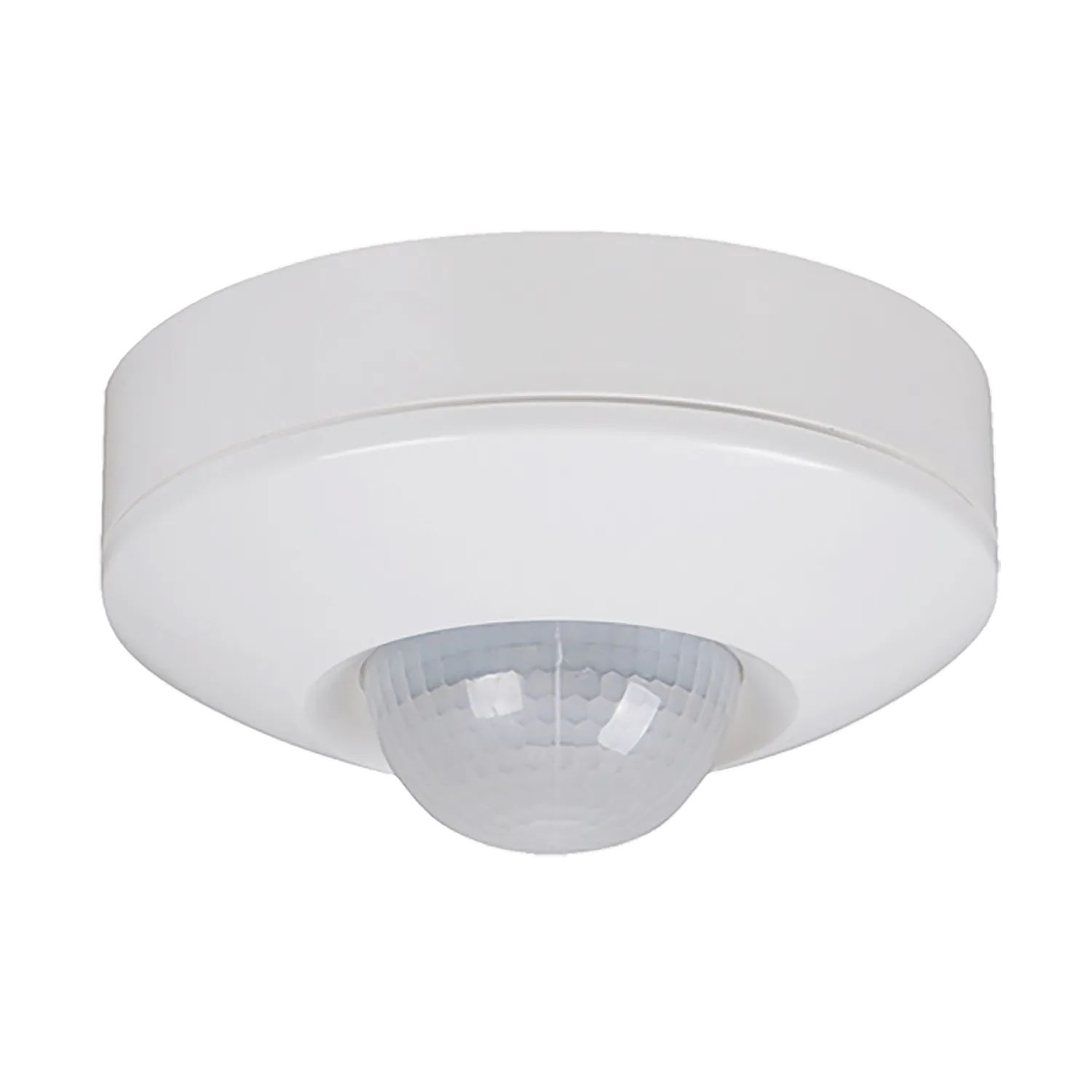
A good motion sensor is essential for effective security lighting. Most exterior solar security lights use a PIR (Passive Infrared) sensor, which detects body heat and movement.
A quality sensor should provide:
- Detection range of around 4–6 metres
- Wide 110° detection angle
- Recommended installation height between 1.8m and 2.5m
These features help improve motion detection around:
- Driveways
- Garages
- Entryways
- Pathways
Correct installation height also helps reduce false triggering while improving overall coverage.
5. CCT – Choosing the Right Light Colour
CCT (Correlated Colour Temperature) refers to the colour appearance of the light. Many modern solar lights now offer adjustable CCT settings.
Common options include:
- 3000K Warm White
- 4000K Neutral White
- 5000K–6500K Cool White
Cool white lighting is often preferred for security applications because it improves visibility and works better with CCTV cameras, while warm white creates a softer look for outdoor entertaining areas.
6. Operating Temperature & Storage Limits
Outdoor solar lights are exposed to changing temperatures throughout the year, so it’s important to check the operating and storage limits.
A common specification is:
- Storage Ambient Limit: 0°C to 60°C
This helps ensure the light can handle:
- Cold winter mornings
- Hot summer temperatures
- Outdoor sheds and coastal conditions
Higher-quality lights generally perform more reliably across a wider temperature range.
7. Brightness – Lumens Matter More Than Watts
Modern LED solar lights are measured in lumens, which indicate actual brightness output.
As a general guide:
- Pathways require lower lumen output
- Driveways and security areas need much brighter lighting
Higher lumens improve:
- Night-time visibility
- Security coverage
- CCTV camera clarity
- Safety around stairs and walkways
When comparing products, lumen output is more important than wattage.
8. Build Quality and Warranty
Outdoor solar lights need durable materials to survive long-term exposure to sun, rain, and moisture. Better-quality fittings are usually made from:
- UV-resistant ABS plastic
- Aluminium housing
- Tempered glass solar panels
Avoid cheap fittings with weak plastic or poor waterproof sealing, as they often fail much sooner.
Buying from a trusted New Zealand supplier also gives you better warranty support, easier returns, and confidence that the product meets NZ standards. A quality solar security light should ideally include a 1–3 year warranty for added peace of mind.
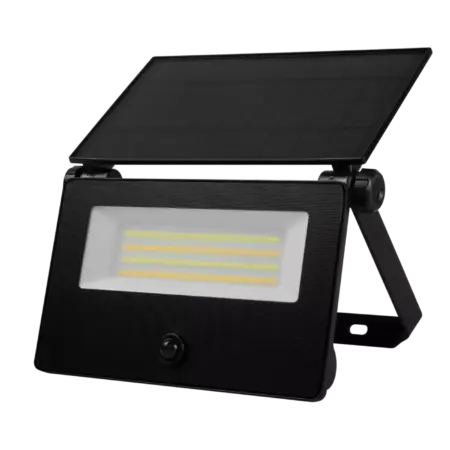
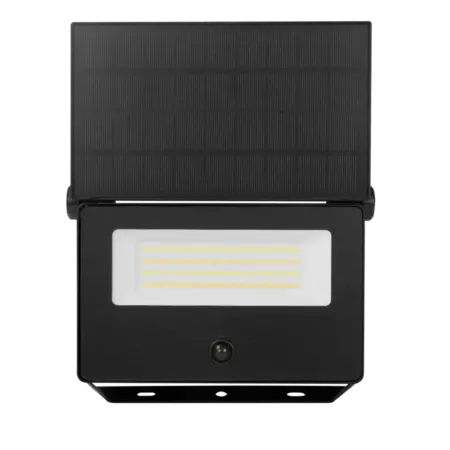
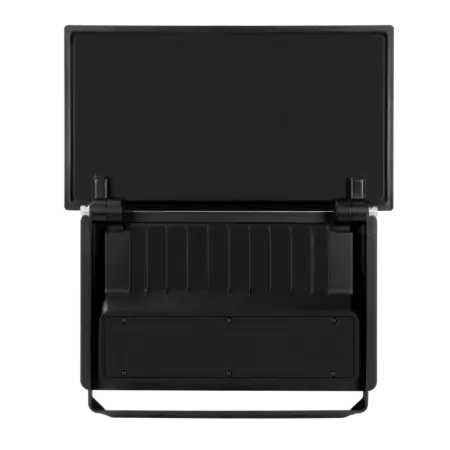
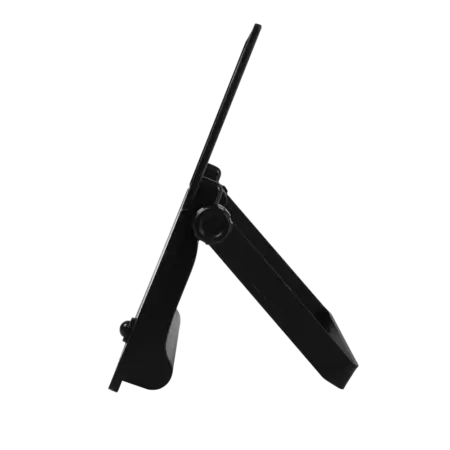
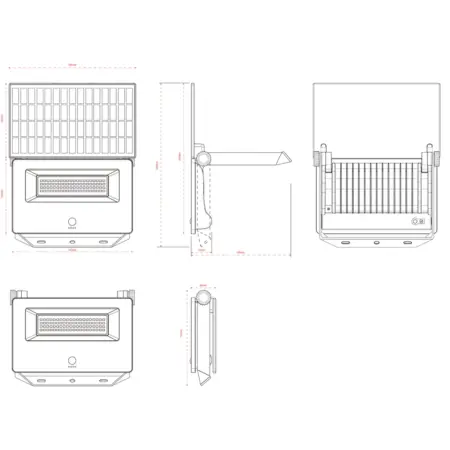
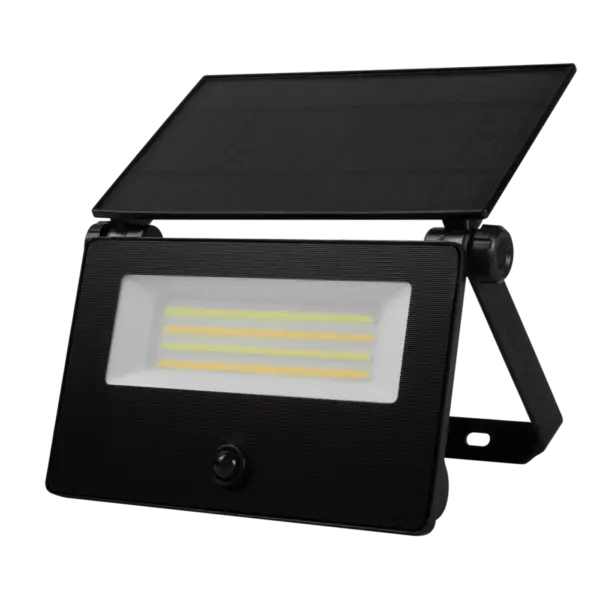
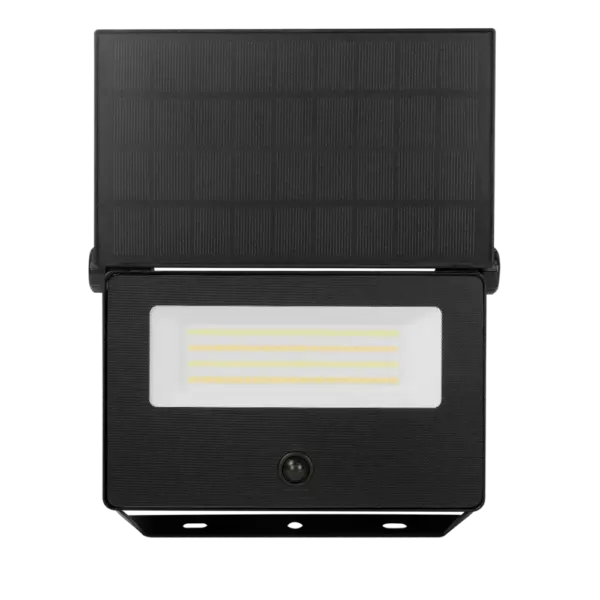
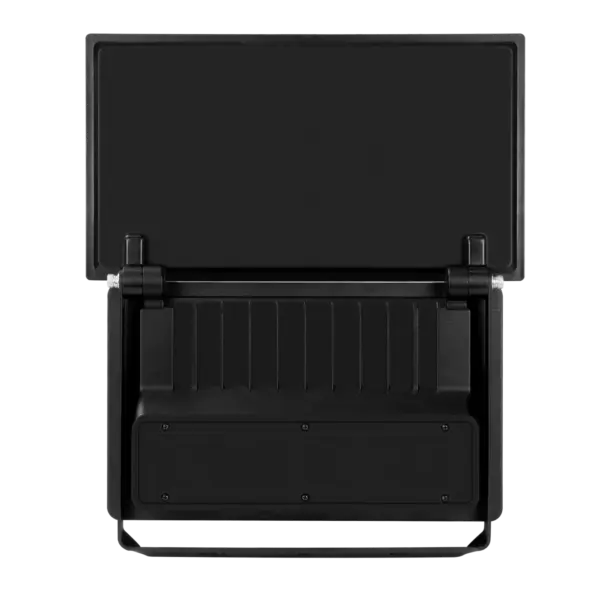
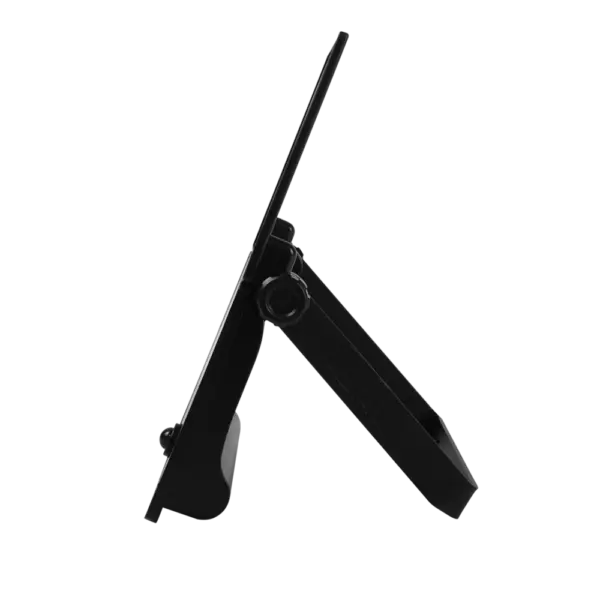
Our Best Outdoor Solar Lights for Security & Energy Savings

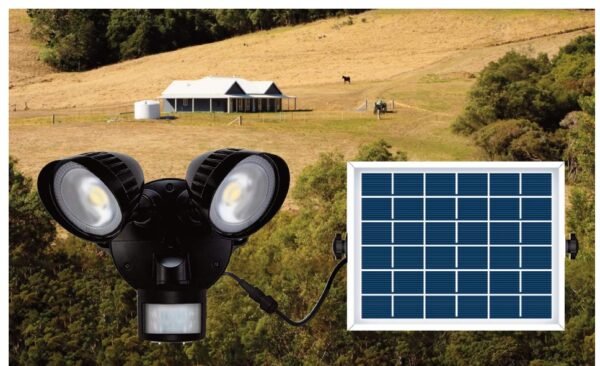
-
Do solar lights work during New Zealand winters?
Yes, quality solar lights still work during winter, although shorter daylight hours and cloudy conditions can reduce charging performance. Choosing high-efficiency solar panels and larger battery capacity helps maintain performance during winter months.
-
What brightness level should I choose for outdoor solar sensor lights?
Brightness is measured in lumens:
100–300 lumens: Garden pathways and decorative lighting
300–1000 lumens: Entrances and patios
1000–3000+ lumens: Security lighting for driveways and large outdoor spaces -
Where should I install motion sensor solar lights?
Common installation areas include:
Front entrances
Driveways
Garages
Side pathways
Decks and patios
Garden walkways
Backyard areas -
Can motion sensor solar lights improve home security?
Yes. Motion-activated lights help improve security by illuminating dark areas when movement is detected. Sudden lighting may discourage unwanted activity and increase visibility around your property.
-
Will solar motion sensor lights work on cloudy New Zealand days?
Yes. Quality solar lights can still charge on cloudy days, although charging efficiency may reduce. Models with larger batteries and efficient solar panels generally perform better during winter and overcast conditions.
-
How far away can a motion sensor detect movement?
Most motion sensor solar lights detect movement between 3 and 12 metres, depending on the model and sensor sensitivity.
-
Can I install a solar motion sensor light myself?
Yes. Most solar lights are designed for simple DIY installation and usually only require mounting screws or brackets, with no electrical wiring needed.