














As LED lighting continues to dominate homes, offices, and industrial spaces, one key component often works quietly behind the scenes — the LED driver. Without it, even the most advanced LED lights wouldn’t perform efficiently or reliably.
At Sparky Shop, we specialise in high-quality LED drivers designed to meet diverse lighting needs, including linear LED drivers, slim LED drivers, and waterproof IP67 LED drivers, available in both 12V and 24V options.
What is an LED Driver?
An LED driver is an electrical device that regulates the power supply to LED lighting. LEDs require a constant, stable current to operate efficiently — too much current can damage them, while too little can cause flickering or dim lighting.
The LED driver acts like a transformer or power adapter, ensuring your lights receive the right voltage and current at all times.
Types of LED Drivers in NZ
1. Linear LED Drivers

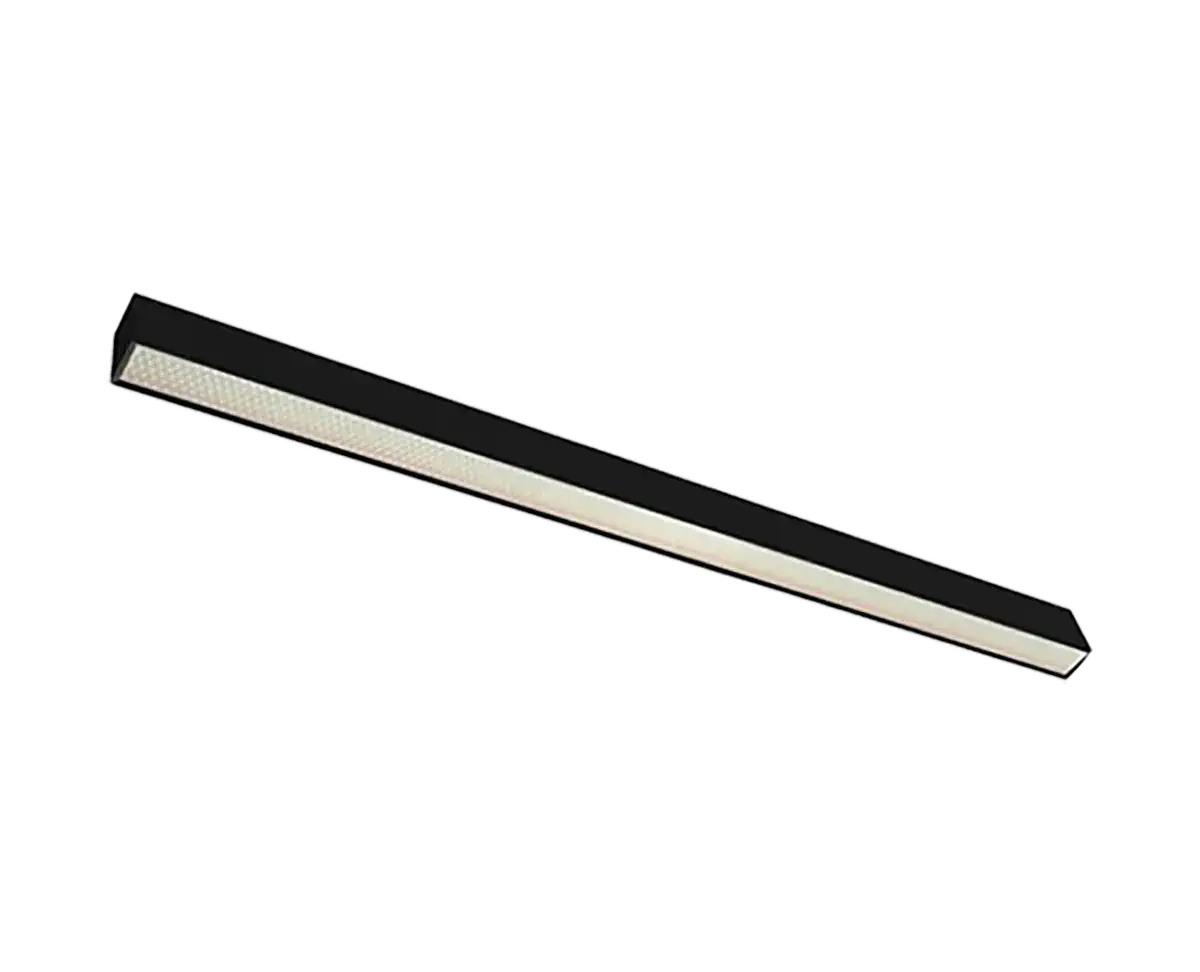
Linear LED drivers are ideal for indoor commercial and residential lighting. These drivers provide consistent performance and are known for their simple, cost-effective design. They’re commonly used in panel lights, tube lights, and linear light fixtures.
Features:
- Compact and efficient design
- Stable output for flicker-free performance
- Perfect for indoor applications
2. Slim LED Drivers

Our slim LED drivers are designed for modern lighting fixtures where space is limited. Despite their compact size, they deliver high performance and reliability.
Features:
- Ultra-thin design for tight installations
- High efficiency and low heat generation
- Ideal for architectural and decorative lighting
3. Waterproof IP67 LED Drivers

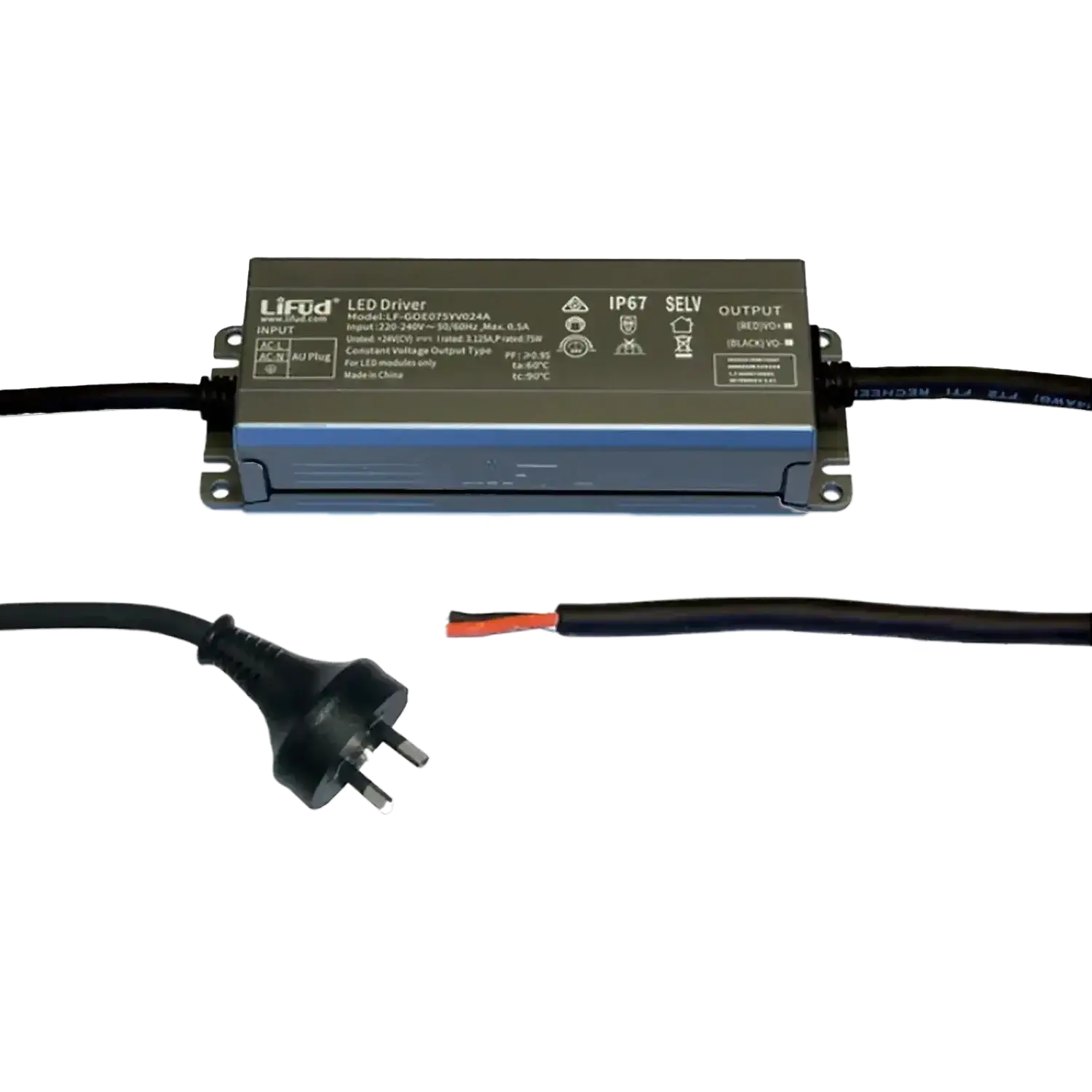
For outdoor and industrial environments, our waterproof IP67-rated LED drivers provide unmatched durability and protection against dust and water.
Features:
- IP67 protection for outdoor use
- Rugged aluminum casing
- Perfect for signage, landscape, and façade lighting
Voltage Options for LED Driver
We offer both 12V and 24V constant-voltage LED drivers to match your specific LED setup:
- 12V LED Drivers – Commonly used for LED strips, signage, and decorative lighting.
- 24V LED Drivers – Suitable for larger installations and industrial lighting systems, providing better efficiency over longer cable runs.
Built-In Protection Features for Maximum Safety
Our LED drivers are engineered with advanced protection features to ensure safe and reliable performance in any environment:
- Short Circuit Protection
In case of an accidental short circuit, the driver automatically shuts down to prevent damage to both the power supply and the connected LEDs. Once the fault is cleared, the driver resumes normal operation safely.
- Over Voltage Protection
This feature safeguards your LEDs from unexpected voltage spikes or power surges. The driver regulates and limits the output voltage, ensuring your lighting system remains stable and protected.
- Over Temperature Protection
If the driver temperature exceeds safe limits, it automatically reduces power or shuts down to prevent overheating. This extends the lifespan of both the driver and the LED lights.
- Over Load Protection
When the load exceeds the rated capacity, the driver limits the output current to prevent strain on internal components. This protects your system from burnout or performance loss.
How to Find the Right LED Driver for Your LED Strips
Choosing the correct LED driver is essential for getting the best performance, brightness, and lifespan from your LED strips. The right driver ensures stable power delivery, prevents flicker, and protects your lighting system from damage. Here’s a simple guide to help you pick the perfect one.
Check the Voltage of Your LED Strip
The first and most important step is to match the driver voltage to the LED strip voltage.
Most LED strips operate on 12V or 24V DC, so you’ll need a constant-voltage LED driver that matches this exactly.
If your strip says “12V DC”, use a 12V driver.
If your strip says “24V DC”, use a 24V driver.
Using the wrong voltage (e.g., a 24V driver on a 12V strip) can burn out your LEDs instantly.
Calculate the Total Wattage
Add up the total wattage of all your LED strips that will be connected to one driver.
You’ll usually find the wattage listed as “W per meter” on the LED strip label.
Example:
If your 24V LED strip uses 10W per meter and you have 5 meters,
you need a driver that can handle 10 × 5 = 50W.
To ensure safety and longer driver life, choose a driver rated 20–30% higher than your total LED load.
In this example, pick a 24V 60–75W driver.
Choose the Right Type of Driver
Depending on your installation, select the type that fits your environment:
- Linear LED Driver: Perfect for indoor, commercial, and residential applications.
- Slim LED Driver: Ideal for tight spaces or modern lighting designs.
- Waterproof IP67 LED Driver: Designed for outdoor, damp, or dusty environments such as gardens, signage, or landscape lighting.
Look for Key Performance Features
To ensure quality and long-term reliability, choose drivers with the following specs:
- Flicker-free output (≤1%) – for smooth, eye-friendly light
- High efficiency (up to 89%) – saves power and reduces heat
- Wide input voltage range (100–277VAC) – suitable for NZ mains power
- Low THD (<15%) – for cleaner, stable operation
- Adjustable output voltage – fine-tune brightness as needed
Check Protection Features
Reliable LED drivers include built-in protection to keep your lighting safe:
- Short circuit protection
- Over voltage protection
- Over temperature protection
- Over load protection
- Surge protection (L-N: 6kV; L/N-GND: 8kV) for outdoor safety
These features ensure the driver performs safely even under fluctuating conditions.
Key Features & Specifications: What to Look for in a High-Quality LED Driver (NZ Focus)
When choosing an LED driver, there are a number of technical specs and protection features that distinguish a good driver from a great one. The following are essential, plus some bonus features particularly useful for New Zealand.
| Feature | Why It Matters |
|---|---|
| Flicker-Free (≤1% flicker) | Low flicker means more comfort for eyes, less fatigue. Especially for long lighting times (offices, schools). Also helps meet EMC & lighting comfort standards. Example product: Lifud GOE-series offers “percent flicker ≤ 1%”. |
| High Efficiency (≈ 85-90%) | Less wasted energy (heat), lower power bills, cooler operation → longer lifetime. NZ power costs and energy efficiency regulations make this valuable. E.g. 89% efficiency in many IP67 models. |
| Wide Input Voltage Range (e.g. 100-277VAC) | NZ mains can vary; wide range helps account for voltage dips or surges. Helps ensure compatibility with international supplies. |
| Total Harmonic Distortion (THD < ~15%) | Lower THD = better power quality, less interference with other electrical equipment. Important under NZ/Australia grids and relevant EMC standards. |
| Adjustable Output (via Potentiometer or similar) | Allows fine-tuning of voltage or output for specific fixtures (especially useful for strips, signage, or landscape lighting). Helps you use fewer driver variants. |
FAQs
What is the difference between a 12V and a 24V LED driver?
12V LED drivers are typically used for LED strips, signage, and small decorative lights.
24V LED drivers are better for larger installations or when using long runs of LED strips, as they reduce voltage drop and improve efficiency.
What’s the difference between constant voltage and constant current LED drivers?
Constant Voltage Drivers provide a fixed output voltage (like 12V or 24V) and are used for LEDs connected in parallel (e.g., LED strips).
Constant Current Drivers supply a steady current (measured in mA) and are used for LEDs wired in series (e.g., downlights, high-power LEDs).
What does “flicker-free” mean in LED drivers?
A flicker-free LED driver delivers a smooth, stable light output with ≤1% flicker. This reduces eye strain, prevents visible flickering in cameras or videos, and meets modern lighting standards — especially important in offices, schools, and photography environments.
What does IP67 mean in LED drivers?
An IP67-rated LED driver is waterproof and dustproof, making it ideal for outdoor or damp environments such as gardens, signage, and architectural lighting.
How long does an LED driver last?
A quality LED driver typically lasts 30,000 to 50,000 hours, depending on the environment and usage. Proper ventilation, correct wattage matching, and thermal protection help extend its lifespan.