

















You are legally allowed to do some electrical work in your own home, but only if you have the right skills and fully understand the task.
WorkSafe strongly advises against DIY electrical work unless you are trained and knowledgeable. If you decide to do it yourself, make sure you carefully follow all safety and legal requirements.
Never attempt electrical work unless you are confident you can do it safely and correctly. Poor or illegal work can cause serious accidents, injuries, or even fatalities. Choosing the wrong electrical or lighting products can add unnecessary costs to your project. At Sparky Shop, our experienced team can help you select the right products at competitive prices. We also provide free, no-obligation quotes for both residential and commercial projects.
Keep in mind that if you install, extend, or alter wiring, a licensed inspector must check, test, and certify the work. Make sure before doing any wiring work, check with a licensed inspector.
Before getting started
Before you do any work, make sure that:
- You have the necessary knowledge and skills
- The power is turned off
- You have the right tools and testing equipment.
- You are not working where conductors or terminals are live or could become live.
What Electrical Work Can You Safely Do at Home?
If you own and live in your home, there are certain electrical jobs you’re legally allowed to carry out yourself. These tasks are limited to low-voltage electrical installations, and only when you’re not being paid or rewarded for the work.
Simple Replacements You Can Do
You’re permitted to remove and replace some fittings, as long as the work doesn’t involve the switchboard. These include:
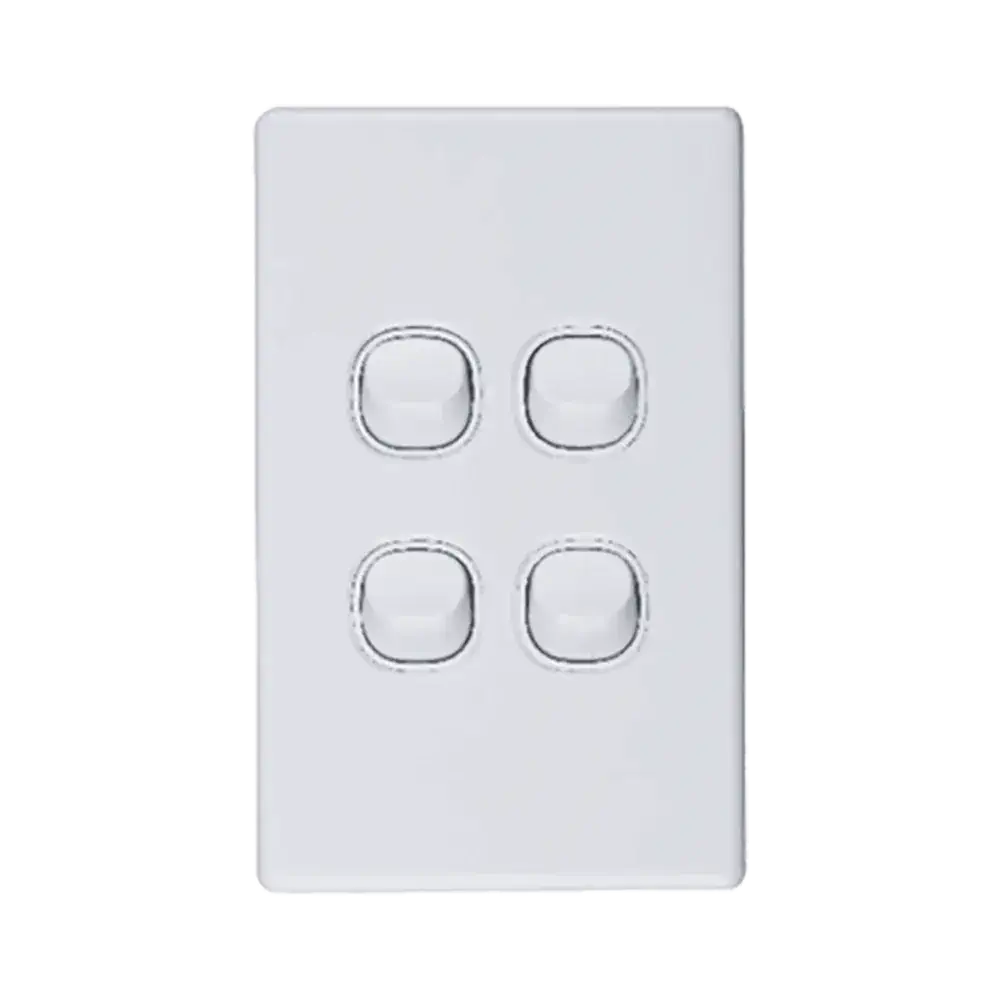
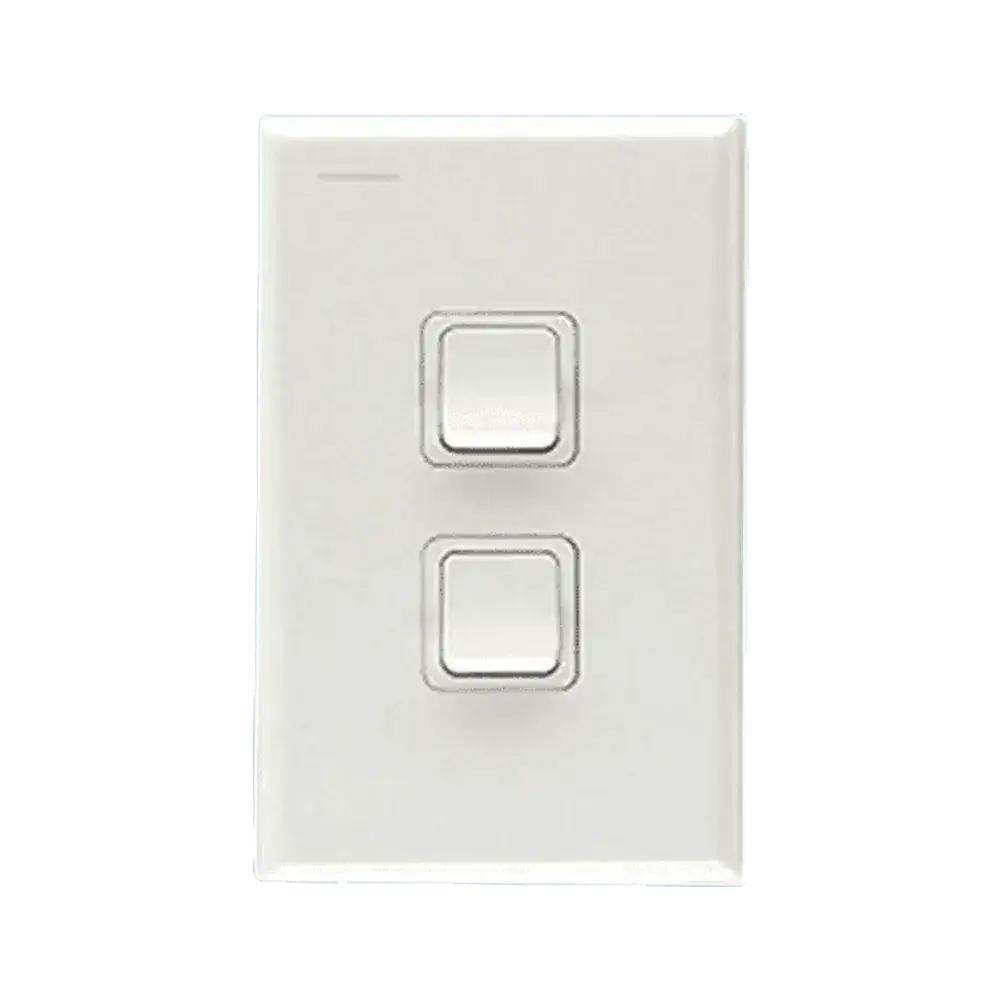
- Light switches and socket outlets
- Permanent connection units
- Light fittings, batten holders, and ceiling roses
- Cord grip lampholders
- Flexible cords attached to ceiling roses, lampholders, or connection units
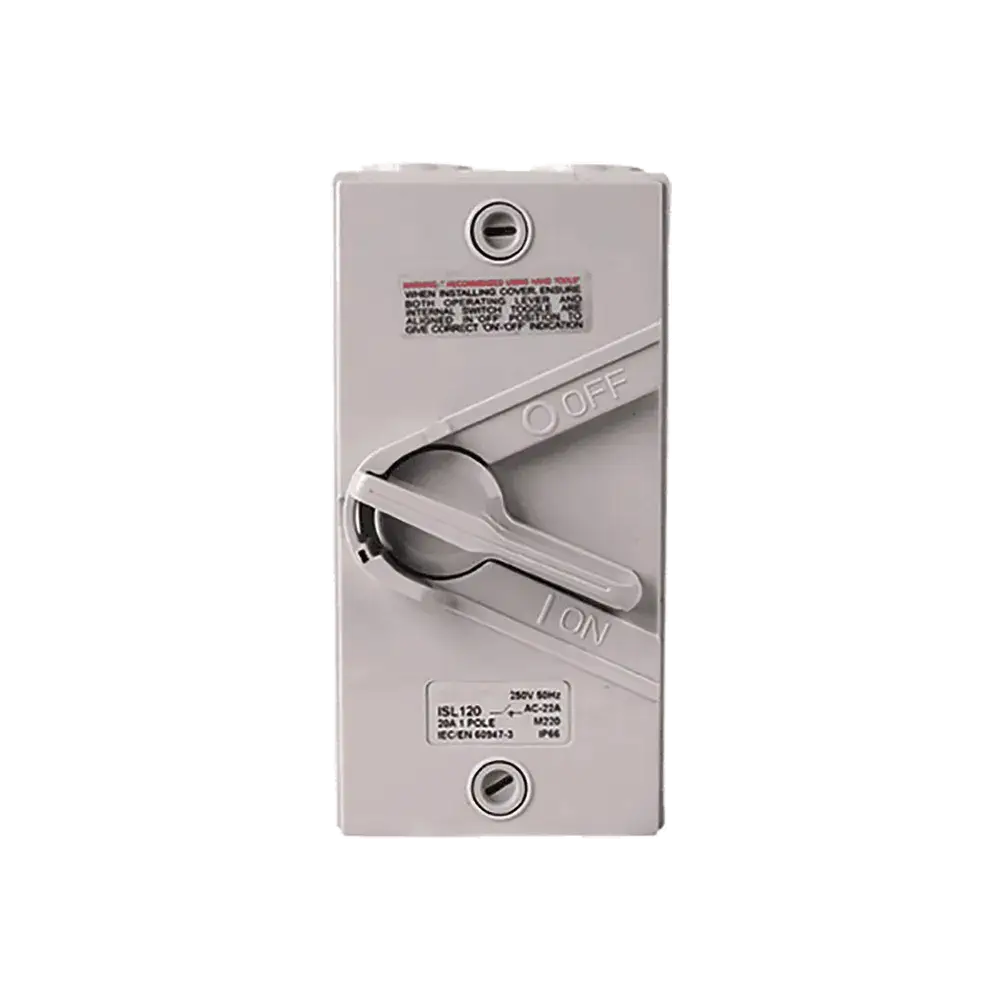
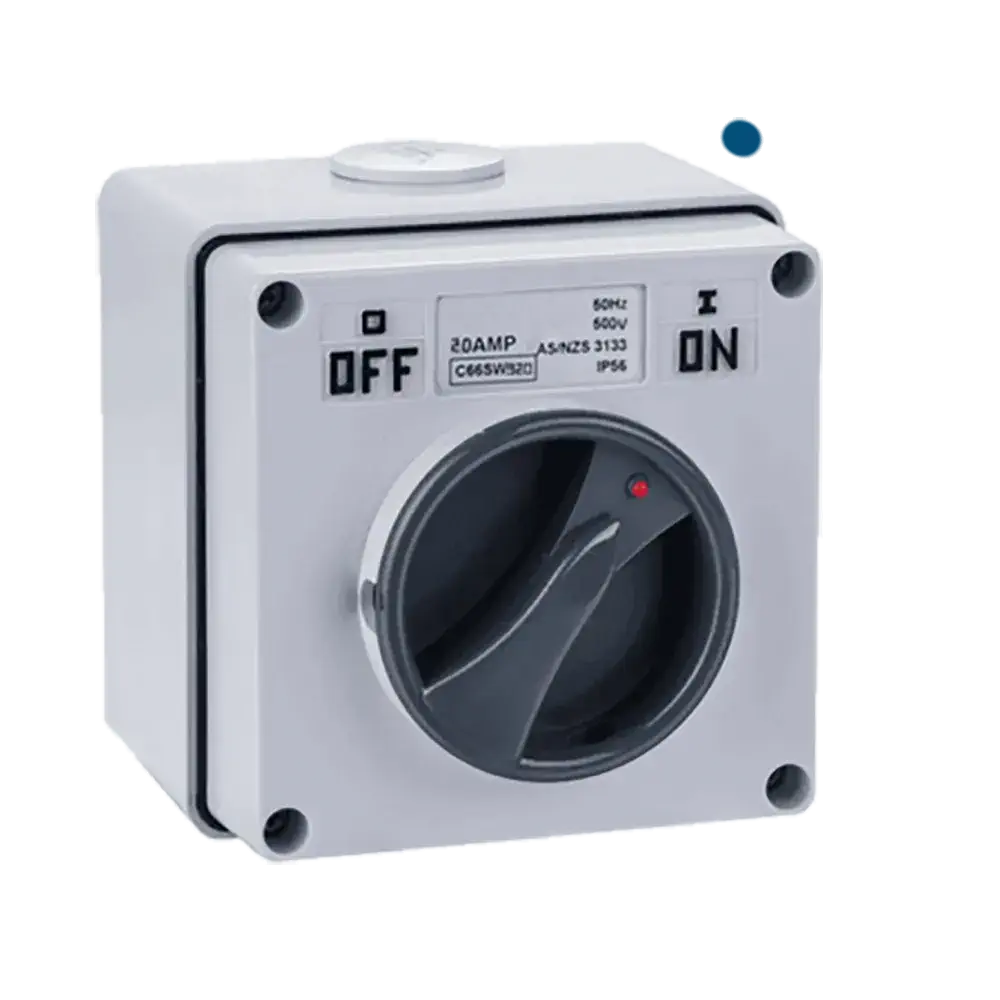
- Hot water switches
- Thermostats and heating elements
- Fuse links
Appliance Work
You can connect or disconnect hard-wired appliances, and you’re also allowed to repair your own appliances, provided:
- The appliance is owned by you (or a close relative)
- It’s for personal or household use, not commercial or industrial purposes
- The repair follows the standards set out in ECP 50
Moving and Extending Circuits
Some more advanced tasks are also permitted, such as:
- Relocating existing switches, outlets, or light points connected by tough plastic-sheathed cable
- Installing, extending, or altering sub-circuits (including sub-mains)
Under section 79 of the Act (exemption for domestic electrical wiring work), homeowners may carry out certain electrical tasks themselves — but only if the work is done and tested in line with ECP 51.
Limits on Work
This exemption applies only to domestic installations with a maximum demand of:
- 80 amps per phase for single-phase systems, or
- 50 amps per phase for multi-phase systems.
Types of Work Allowed
If you meet the above conditions, you may do the following types of work:
- Fuse work: remove and replace fuse links.
- Appliances: connect and disconnect hard-wired appliances.
- Relocation: move existing switches, power outlets, or light outlets supplied by tough plastic-sheathed cables.
- Replacement fittings (but not involving a switchboard):
- switches, sockets, and light fittings
- permanent connection units, ceiling roses, cord-grip lampholders, and flexible cords connected to them
- batten holders
- water heater switches
- thermostats
- heating elements
- Sub-circuit work: install, extend, or alter subcircuits (including submains), provided that:
- you do not enter or place any tool or material into an enclosure where live conductors may be present, and
- the work is tested and certified under AS/NZS 3000 (Part 2) by a licensed electrical inspector before being connected to the supply.
Important:
- You must never work in areas where live conductors may be present.
- You cannot connect your own work to the power supply — a licensed electrical inspector must test and connect it for you.
- It’s a good idea to speak with the inspector before starting any installation or alteration.
Stay Safe
While the law allows certain DIY electrical work, safety always comes first. If you’re unsure about the job or lack the necessary skills, it’s always best to hire a licensed electrician. Mistakes can be dangerous and costly.
Doing your own wiring
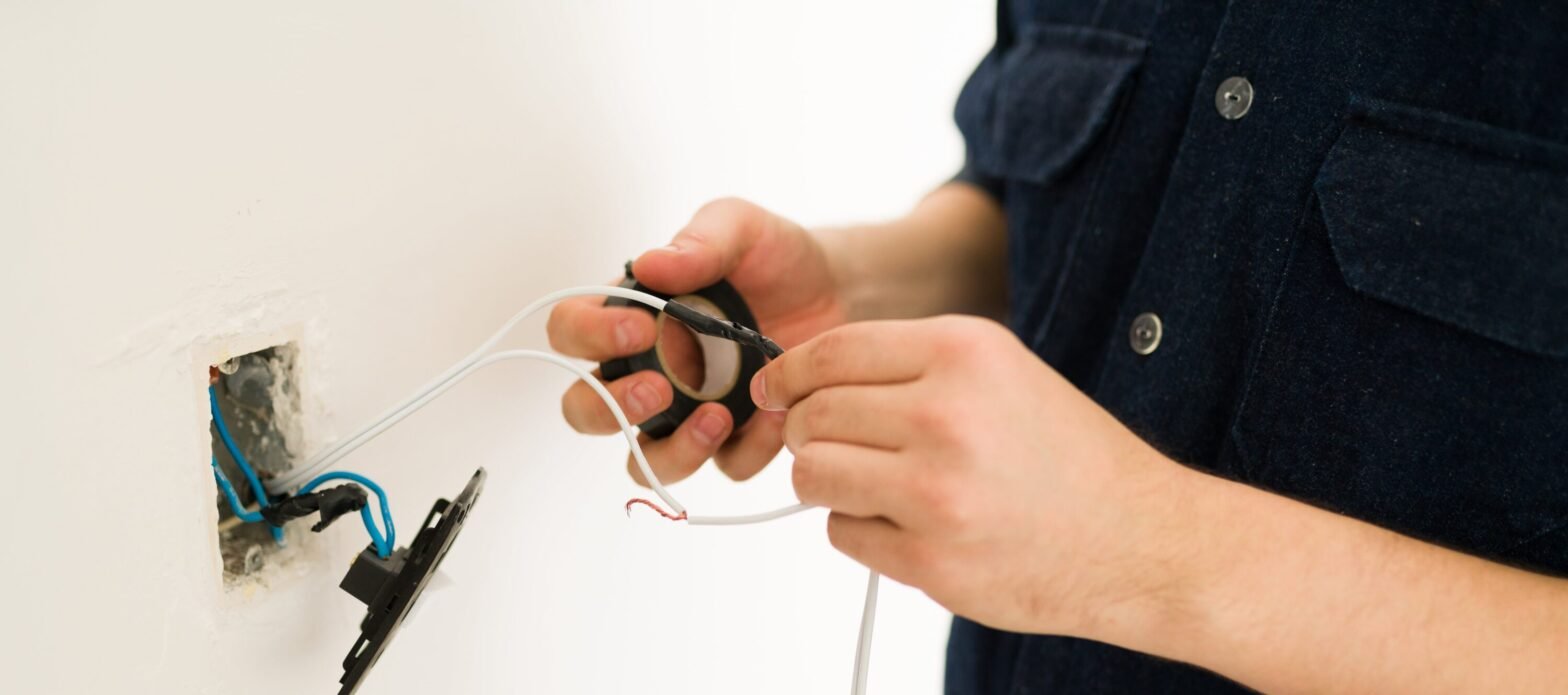
When doing work on wiring in your home, you must:
- Make sure that the power is switched off before you start.
- Ensure that you do not work in any enclosure where conductors or terminals are live or could become live.
- Ensure that if you install, extend or alter cables, you do not connect your work to the electricity supply yourself. The finished job must be checked and tested by a licensed electrical inspector. If it complies with safety requirements, the inspector will connect it, test it, and issue you with a Certificate of Compliance.
Never do any work on a switchboard apart from replacing fuse wire or fuse cartridges.
What if something goes wrong?
If you are unsure about anything or think that you might have made a mistake, make sure that the main switch is turned off, and call a licensed electrician to check your work and correct it if necessary. If you do work that is unsafe you could seriously injure yourself or a member of your family and you could be prosecuted.
Before hiring anyone, it’s important to make sure your electrician is properly licensed. A licensed electrician has the training and legal approval to carry out electrical work safely and to the required standards. You can check whether an electrician holds a current license by searching the official online register here:
If you’re unsure about any electrical work, don’t proceed. Electrical jobs directly affect safety, and attempting them without the right knowledge can put you and others at serious risk. When in doubt, always call a licensed professional.
Choosing the wrong electrical or lighting products can add unnecessary costs to your project. At Sparky Shop, we take the guesswork out by offering expert guidance and quality products at competitive prices. Our knowledgeable staff can help you find the right solutions for your home or business, ensuring safety, efficiency, and value.
We supply a wide range of trusted electrical and lighting products, backed by excellent customer service. Plus, we provide free, no-obligation quotes for both residential and commercial projects — making it easier for you to plan with confidence.