

















It’s important to have appropriate lighting around your residential property to keep it safe at night. LED security lights are one of the simplest yet most effective ways to illuminate your home and deter unwanted visitors. In New Zealand, where the weather can be unpredictable, it’s essential to choose the right product. Always look for options that are energy-efficient, durable, and capable of providing reliable illumination to protect driveways, entryways, and backyards.
Key Features to Look For When buying Security Lights
When selecting LED security lighting for your residential property, it’s worth understanding the features that make a real difference in performance, safety, and longevity.
1. Brightness & Lumen Output
The brightness of a light is measured in lumens (lm) rather than watts. Lumens indicate the total amount of visible light a fixture produces — the higher the lumen rating, the brighter the light will appear.
In the past, people judged brightness by wattage, but that applied to old halogen and incandescent bulbs, which consumed far more energy. Modern LEDs use much less power while delivering the same, or even greater, brightness. For this reason, lumens are now the key standard for measuring light output.
To help you choose the right LED secturity light for your home, we’ve provided a guide to the recommended lumen levels for different areas around a property. Selecting lights that are too dim can compromise their effectiveness, while choosing the right output ensures your lighting does its job properly.
- Porches & Pathways: Around 1000–1200 lumens is usually enough to provide safe footing and visibility without being overwhelming.
- Driveways & Garages: A stronger output, typically 1800–2300 lumens, ensures cars and pathways are well lit.
- Backyards & Large Spaces: For wide or dark areas, choose 2000–3000+ lumens to get broad coverage.
Tip: Also avoid going too bright unnecessarily — oversizing can cause glare and light pollution, annoying neighbours or even reducing visibility due to contrast.
2. Colour Temperature
Colour temperature is measured in Kelvin (K) and describes the appearance of the light produced. Lower values (around 2700K–3000K) appear warm and yellowish, while higher values (5000K–6500K) appear cool and bluish-white. The choice of colour temperature influences not only how well you see at night but also how welcoming or harsh the light feels.
Warm White (2700K–3000K)
- Produces a soft, yellow/orange glow, similar to traditional incandescent bulbs.
- Creates a cosy and welcoming atmosphere.
- Best for: Entryways, patios, or outdoor entertaining areas where you want comfort and ambience as well as security.
- Limitations: Not as effective for spotting details (like faces or number plates) compared to cooler temperatures.
Neutral White (3500K–4000K)
- Balanced between warm and cool tones, providing clear light without being too harsh.
- Gives good visibility while maintaining a comfortable feel.
- Best for: Driveways, side entrances, and general property lighting where you need both practicality and visual comfort.
- Often recommended as the all-purpose colour temperature for residential security lights.
Cool White / Daylight (5000K–6500K)
- Produces a crisp, bluish light that closely resembles daylight.
- Enhances visibility, making it easier to detect movement and identify details like faces or objects in the dark.
- Best for: Large outdoor spaces, backyards, side alleys, or rural properties where maximum brightness and security are the priority.
- Limitations: Can feel stark or harsh in residential areas, and may create glare if overused.
Which Colour Temperature is Best for Outdoors in NZ?
We recommend using neutral white (4000K) lighting colour for residential properties as it provides a good balance of brightness and comfort, making it practical for driveways, garages, and entrances. Use warm white (3000K) in areas where you also want ambience, such as front porches or patios. Choose cool white (5000K+) for security-critical zones like backyards, dark corners, or larger properties where you need maximum visibility and deterrence.
Tip: If you’re not sure which colour temperature will work best for your property, there’s a simple solution — Tri-Colour LED Security Lights. Our tri colour LED Security lights give you the flexibility to choose between Warm White (≈3000K), Neutral White (≈4000K), or Cool White (≈5700K) by simply flicking a small switch on the back of the light.
3. Motion Sensors (PIR Technology)
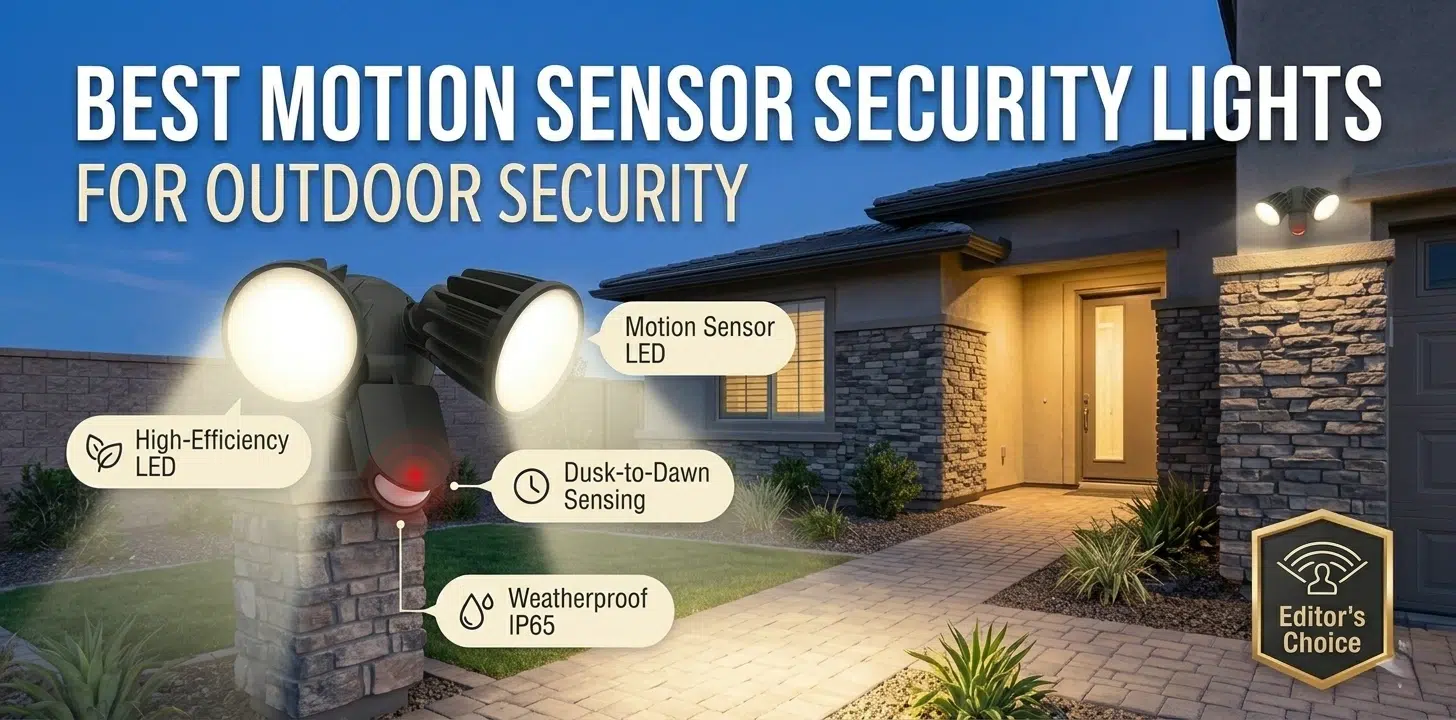
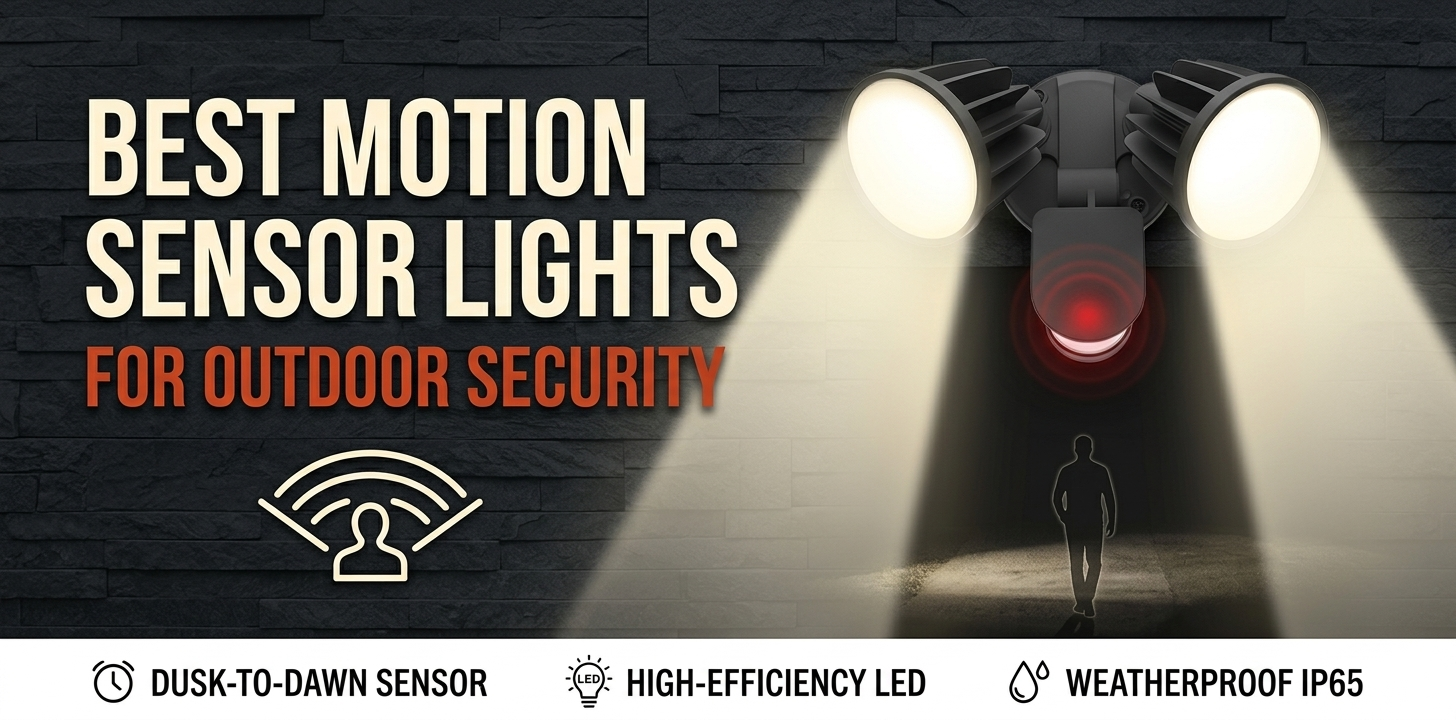
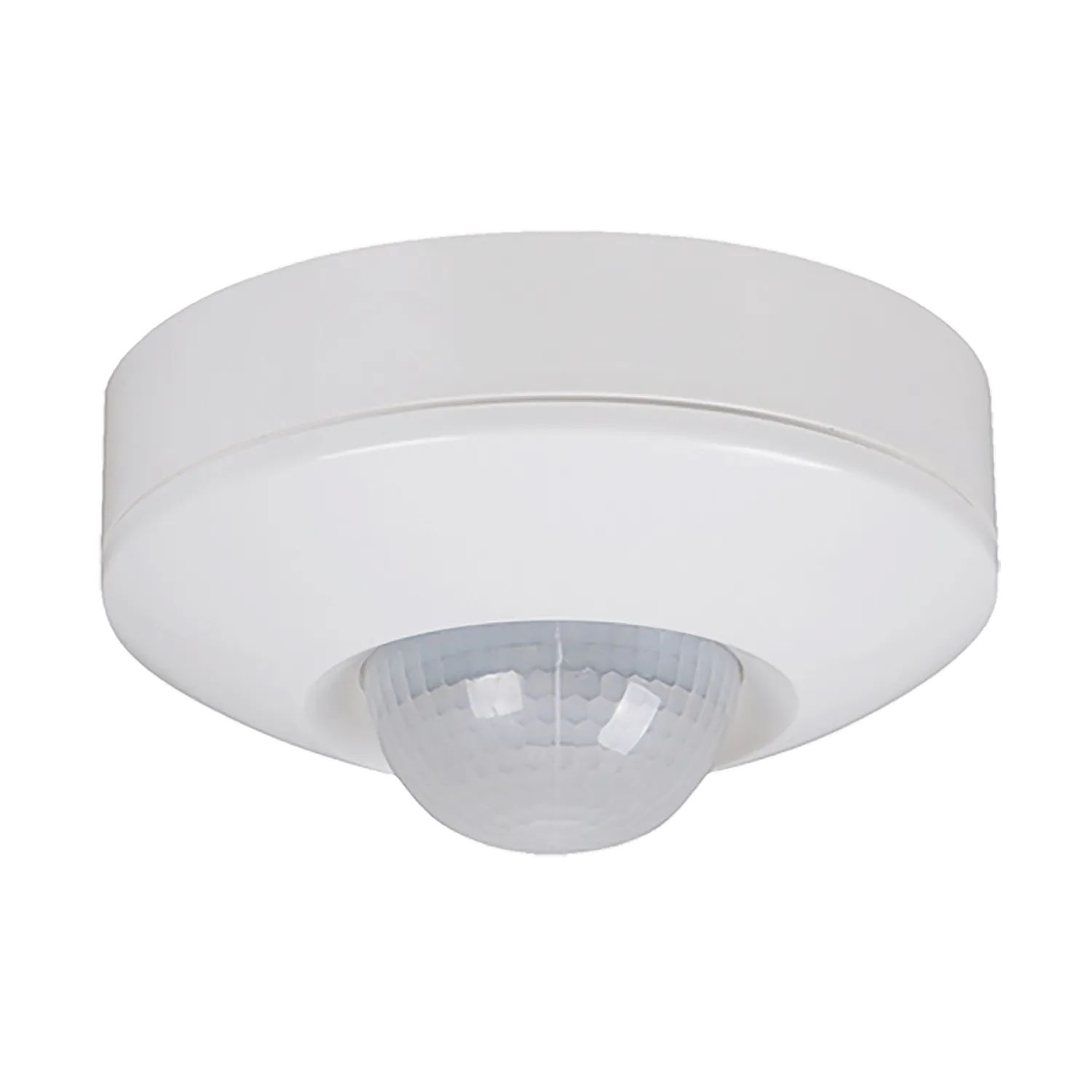
One of the smartest features of modern LED security lights is the PIR (Passive Infrared) motion sensor. Instead of staying on all night, PIR lights detect movement and activate automatically when someone enters the detection zone.
How PIR Sensors Work
PIR sensors detect heat signatures from people, animals, or vehicles moving across their field of view. When triggered, the sensor activates the light for a set period of time (usually adjustable between 10 seconds and 10 minutes). Once no movement is detected, the light switches off again, saving energy.
Benefits of PIR Motion Sensors
- Energy Efficient – Lights only operate when needed, cutting down on electricity bills compared to lights left running all night.
- Security Boost – Sudden illumination surprises intruders and makes it harder for them to approach unnoticed.
- Convenience – No fumbling for switches when you arrive home at night — the light comes on automatically.
- Neighbour-Friendly – Reduces unnecessary light spill and avoids annoying neighbours with constantly-on lighting.
- Longer Lifespan – Because the light operates less often, both the LED and the fitting itself last longer.
Key Features to Look For in PIR Lights
- Detection Range: Most residential PIR sensors cover 8–12 metres, which is plenty for driveways and walkways.
- Detection Angle: Look for 120–180 degrees for wide coverage; narrower sensors are good for focused zones like side paths.
- Adjustable Sensitivity: Lets you fine-tune the sensor so it isn’t triggered by pets or passing traffic.
- Time Control: Choose how long the light stays on after activation — short bursts save energy, longer times help if you’re unloading the car or walking across the yard.
- Day/Night Settings (Lux Control): Some sensors allow you to set whether they activate only at night or also in dim daylight conditions.
Tip: Angle them slightly downward to detect people walking across the area, rather than small animals. Mount PIR security lights 2–3 metres high for the best detection range. Avoid aiming them at roads or busy areas to reduce false triggers.
4. Adjustable Beam Angles
Not every property is the same. That’s where swivel heads and adjustable beams become valuable.
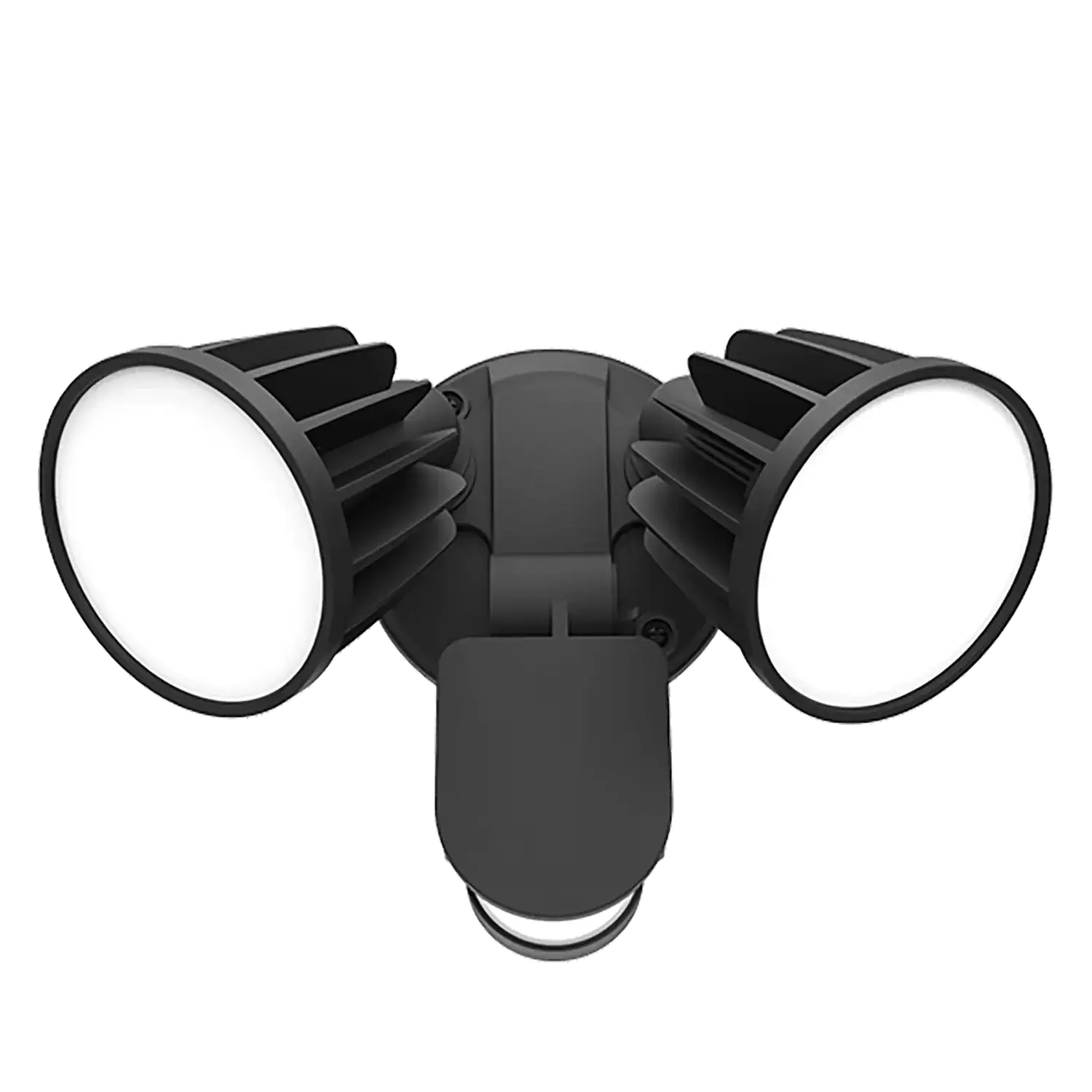
- Multi-head designs: Twin or triple heads can be angled independently to light both a driveway and a side gate with one fitting.
- Directional control: Helps avoid wasting light where it isn’t needed and reduces glare into windows.
- Custom coverage: Perfect for properties with awkward corners or multiple entry points.
5. Power Source Options
You’ll need to decide between mains-powered and solar-powered LED security lights:
- Mains-powered:
- Reliable and consistent performance, regardless of weather.
- Typically brighter, with higher lumen options.
- Requires professional installation if wiring is complex.
- Solar-powered:
- No wiring needed — quick DIY install.
- Runs entirely on stored sunlight, making it eco-friendly and cost-free to operate.
- Performance depends on sunlight exposure — works best in north-facing or unshaded areas of your property.
6. Weatherproofing (IP Ratings)
Outdoor lights must withstand New Zealand’s varied weather conditions, from heavy rain to coastal salt air.
- IP65 – dust-tight and protected against water jets, suitable for most residential outdoor applications.
- IP66 / IP67 – offers even greater protection, ideal for exposed locations or coastal homes.
Always check the IP rating before buying — a lower rating could mean your light fails after one wet winter.
To conclude this article, we would suggest that you choose the right LED security lights for your home is more than just a matter of style — it’s about safety, visibility, and peace of mind. From lumens output to colour temperature, and from PIR motion sensors to weatherproof durability, each feature plays a crucial role in protecting your property and making your outdoor spaces more functional.
For maximum flexibility, consider Tri-Colour LED security lights, which allow you to select warm, neutral, or cool white with the flick of a switch. Pairing these with adjustable PIR sensors ensures your lights are both energy-efficient and highly effective at deterring intruders.
If you want to learn more about how to position LED security lights for maximum coverage and effectiveness, check out our detailed guide in this article: [How to Position LED Security Lights Around Your Home]. Proper placement ensures your lights not only illuminate the right areas but also enhance safety, reduce glare, and save energy.
Why Choose Sparky Shop
At Sparky Shop, we specialise in high-quality LED security lights for New Zealand homes. Our range includes:
- Mains and solar-powered options for any installation scenario.
- Tri-Colour lights for flexible colour temperature control.
- Sensor-activated models with adjustable range and sensitivity.
- Durable, weatherproof designs suitable for NZ’s variable climate.
Whether you need a small porch light or a powerful backyard floodlight, Sparky Shop has the solutions to help you secure your property, save energy, and enhance your outdoor lighting.
-
Do LED security lights work well in wet or windy NZ weather?
Yes. Look for lights with a minimum IP65 rating, which protects against rain and dust. Higher ratings (IP66/IP67) are ideal for exposed areas or coastal homes.
-
What are PIR sensors, and how do they work?
PIR (Passive Infrared) sensors detect heat and movement in their field of view. When motion is detected, the light automatically switches on for a set duration, saving energy and deterring intruders.
-
Can LED security lights save on electricity bills?
LEDs are highly energy-efficient and, combined with motion sensors, only use electricity when needed. This can significantly reduce costs compared to traditional halogen or incandescent floodlights.
-
How long do LED security lights last?
Quality LED lights can last 25,000–50,000 hours. Proper installation, weather protection, and energy-efficient usage (motion sensors) can extend their lifespan even further.