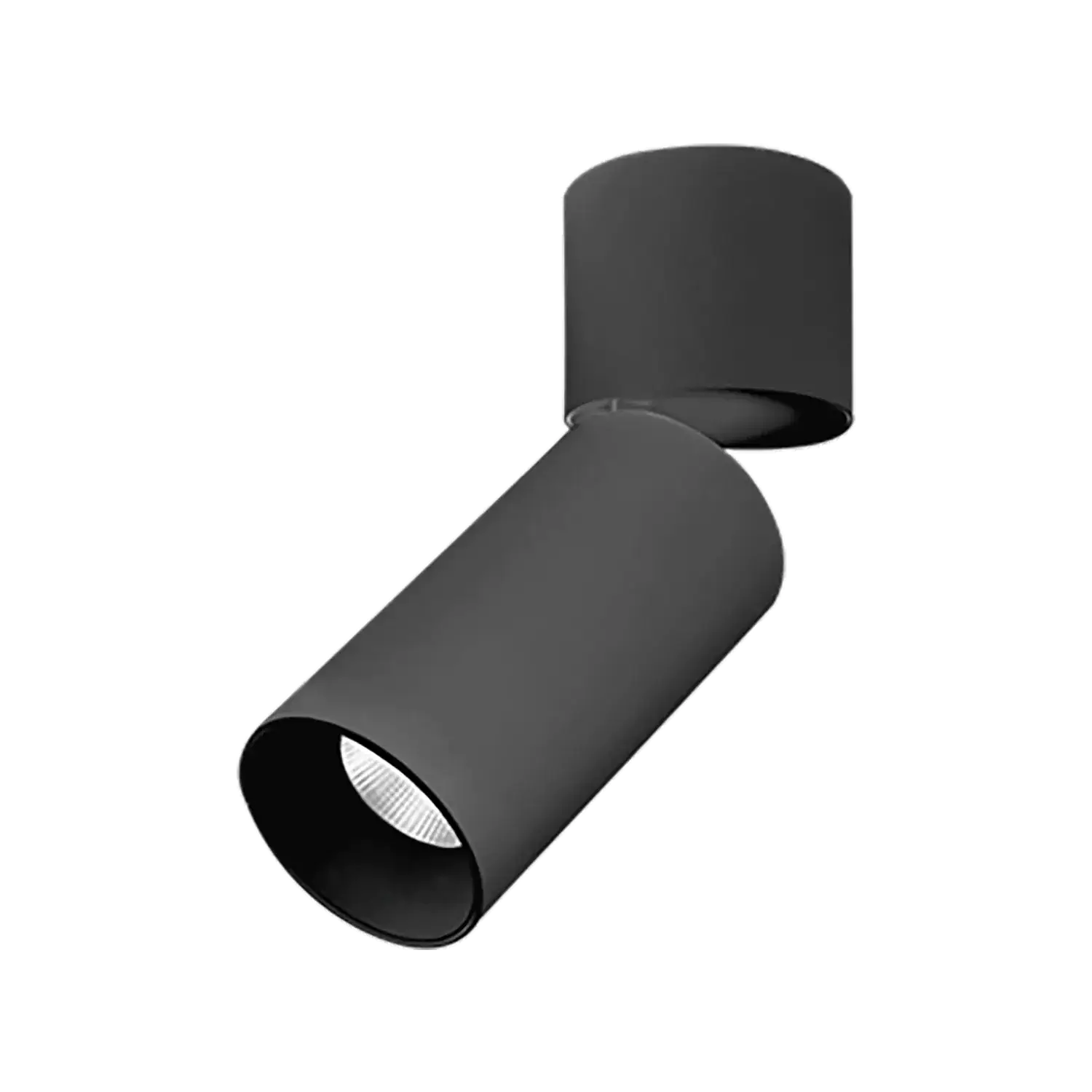
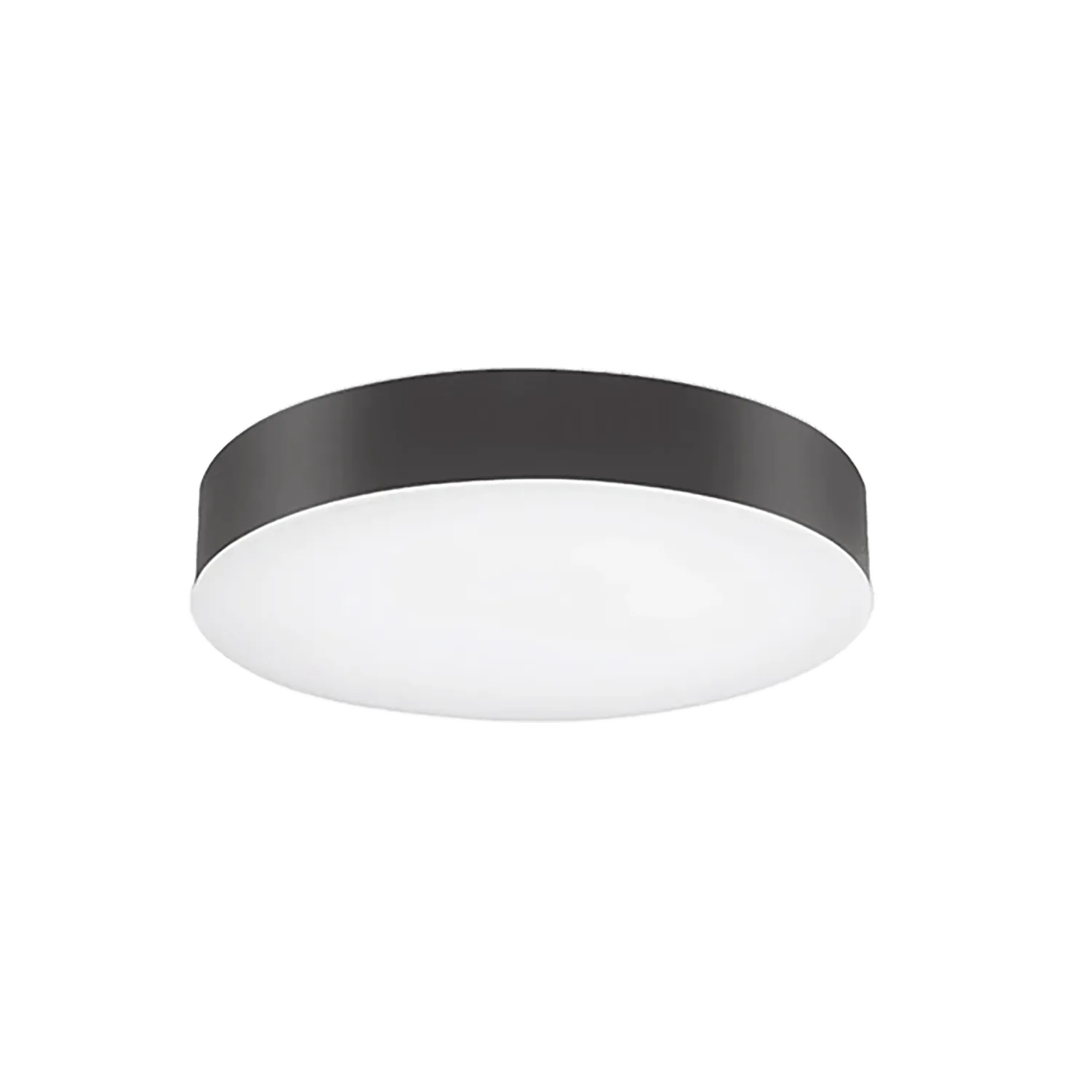


















Lighting has evolved tremendously over the years — from incandescent bulbs to energy-efficient LED systems. Alongside this evolution, dimmers have become essential tools for achieving ambiance, energy savings, and better control over lighting systems. But when it comes to LED lighting — especially LED downlights and highbay lights — choosing the right type of dimmer is critical.
In this post, we’ll dive into:
- What dimmers do
- The difference between leading-edge and trailing-edge dimmers
- How they interact with modern LED fixtures
- Best practices when dimming downlights and highbay lights
What is a Dimmer?
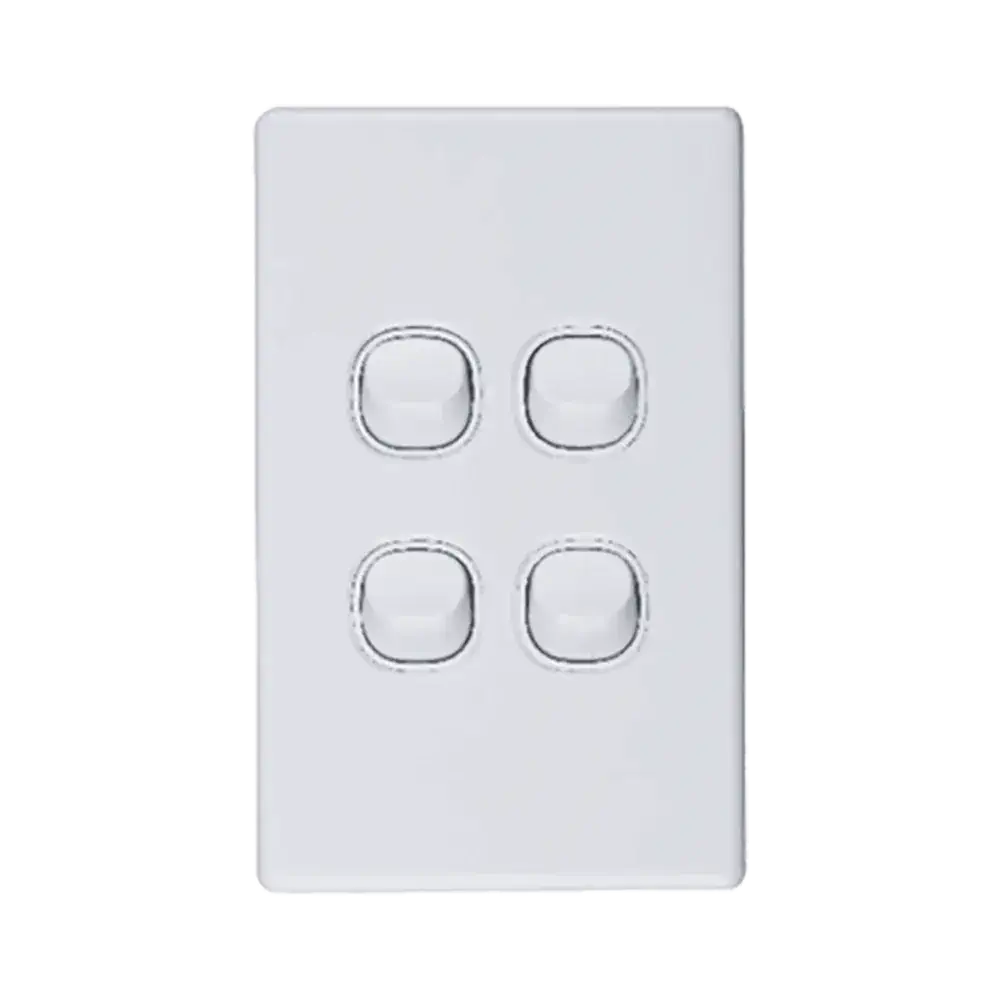
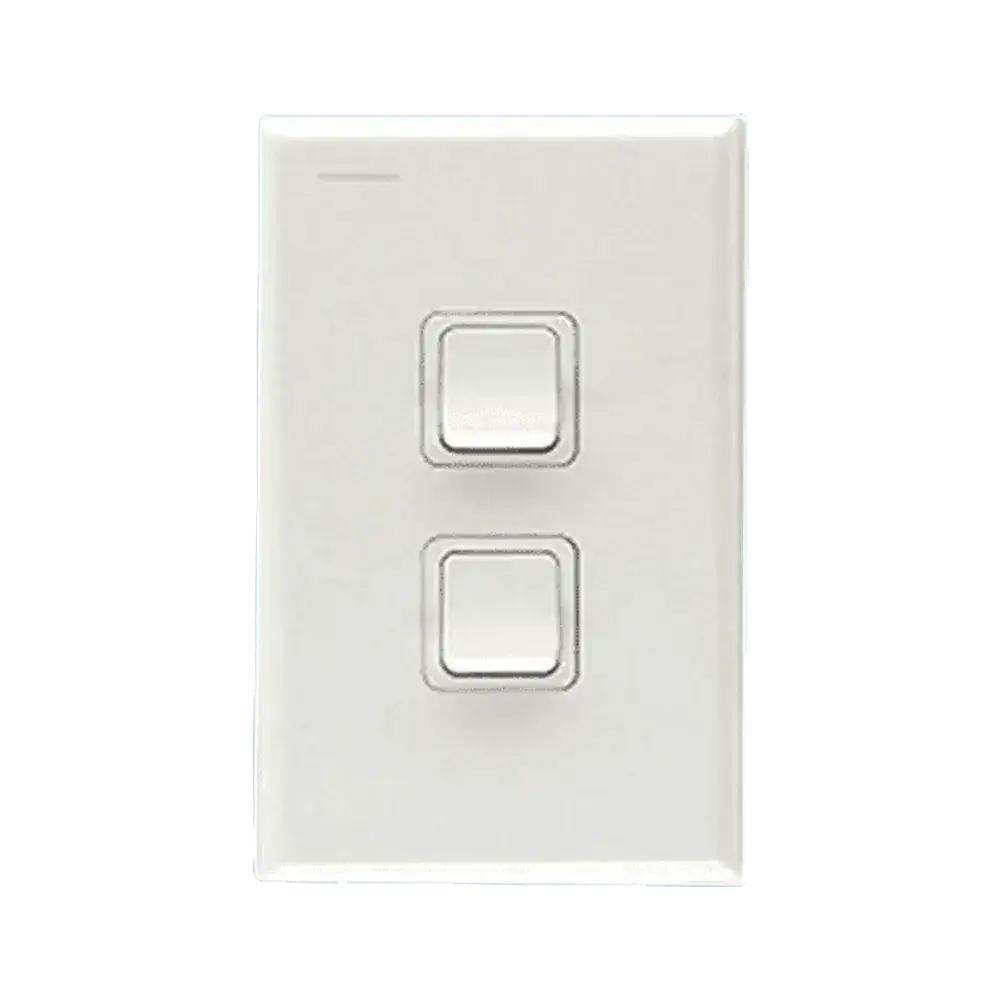
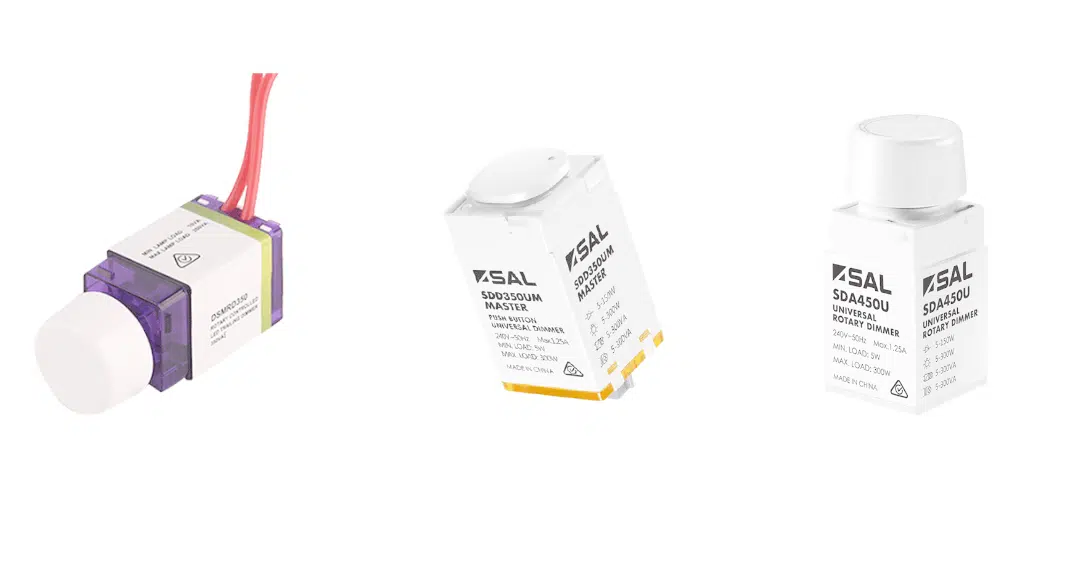
A dimmer is a device connected to a light fixture and used to lower tge brightness of the light. The dimmer dims the lights by changing its voltage waveform. Instead of turning lights fully on or off, dimmers allow you to control the intensity of light to match the mood, task, or time of day — while also saving energy and extending the life of bulbs. The dimmer switch can have a rotary knob or sliding liner tab to control brightness.
How Do Dimmers Work?
Dimmers typically operate by rapidly switching the power supply on and off in tiny fractions of a second. By cutting a portion of the AC waveform, they reduce the total power sent to the light source.
There are two primary dimming techniques:
- Leading-edge dimming
- Trailing-edge dimming
Leading-Edge vs. Trailing-Edge Dimmers
| Feature | Leading-Edge Dimmer | Trailing-Edge Dimmer |
|---|---|---|
| Waveform Cut | Beginning (start) of the AC cycle | End of the AC cycle |
| Load Type | Resistive/Inductive (halogen, older transformers) | Capacitive (most modern LED drivers) |
| Compatibility | Traditional incandescent, halogen | Modern LEDs, electronic transformers |
| Noise | Can cause buzzing with LEDs | Quieter operation |
| Cost | Cheaper | Slightly more expensive |
When to Use Each Dimmer
- Leading-edge dimmers are best for older lighting systems with incandescent or halogen bulbs, and sometimes for dimmable CFLs.
- Trailing-edge dimmers are preferred for LED lighting, especially where smooth dimming and quiet operation are important.
Using Dimmers with LED Downlights
LED downlights are commonly used in homes, offices, and hospitality spaces. These fixtures are often dimmed to:
- Create ambiance (e.g., in dining or living areas)
- Reduce glare or brightness during certain times of the day
- Save energy
Best Practice:
- Use trailing-edge dimmers with dimmable LED downlights. They are specifically designed to handle the electronic drivers used in LEDs.
- Make sure the dimmer wattage range matches the total load of your downlights.
- Choose dimmable LED downlights explicitly labeled as “trailing-edge compatible”.
Using Dimmers with LED Highbay Lights
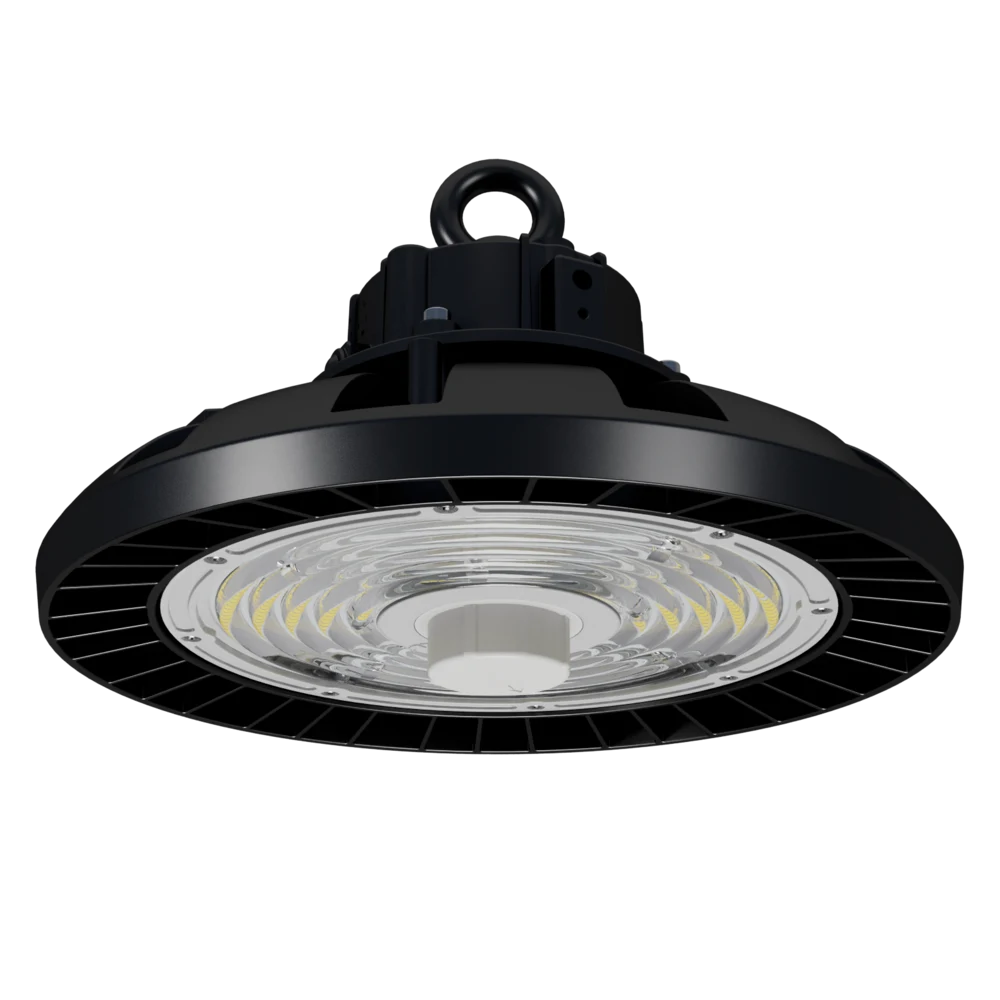
LED highbay lights are used in industrial and commercial settings like warehouses, gymnasiums, factories, and big retail spaces. Dimming highbay lights helps:
- Save energy during low-traffic hours
- Adjust light levels for different tasks or shift times
- Improve comfort and safety
Best Practice:
- Most modern LED highbay lights use 0-10V dimming or DALI systems, which are different from traditional phase-cut dimming.
- If the highbay is labeled “phase-dimmable,” you can use a trailing-edge dimmer, but confirm with the manufacturer.
- For advanced control, consider smart dimming systems integrated into building automation platforms.
Common Mistakes to Avoid
- Using a leading-edge dimmer with LED fixtures not rated for it — this can cause flickering or even damage the driver.
- Overloading the dimmer — ensure the total wattage of your lights doesn’t exceed the dimmer’s rated capacity.
- Not checking compatibility — always verify if the dimmer is compatible with the light’s driver type (especially with LEDs).
Installation Tips
- Use a licensed electrician for dimmer installations, especially in commercial or high-load environments.
- When retrofitting older systems with LED lights, upgrade your dimmers accordingly.
- Always check manufacturer datasheets for dimming range and minimum load requirements.
Choosing the right dimmer — leading-edge or trailing-edge — is crucial for getting the best performance out of your lighting system, especially when using LED downlights and Highbay lights. For modern lighting, trailing-edge dimmers are usually the safest bet, offering smoother control and better compatibility with LED drivers.
Whether you’re aiming for cozy ambiance at home or energy-efficient control in a warehouse, proper dimming enhances both function and aesthetics.
FAQs
What does the wattage rating on a dimmer mean?
The wattage rating of a dimmer refers to the maximum total wattage of all the light fixtures it can safely control. For example, if a dimmer is rated for 400W, it can handle a combined load of up to 400 watts of lighting.
Do LED lights count the same wattage as halogen or incandescent bulbs?
Not exactly. LED lights use much less power, so you can connect more LEDs to a single dimmer — but:
Dimmable LED drivers may have minimum load requirements
Not all dimmers handle low-wattage LED loads well
Example:
A 400W dimmer might handle up to 8 x 50W halogen bulbs
But for LEDs, it might only support 10–12 LED downlights (at 8–12W each), depending on compatibility
What wattage dimmer should I choose for LED downlights?
First, calculate the total wattage of all LED downlights on the circuit.
Choose a dimmer compatible with LED loads, ideally trailing-edge.
If your total wattage is under 100W, make sure the dimmer supports low loads, often called LED-compatible or digital dimmers.
Do you need an electrician to install a dimmer?
For those who have never worked on the electrical infrastructure of the home, this job can be a good way to learn how to upgrade and maintain your electrical system safely.