


















Sensors play a crucial role in modern automation, safety, and energy efficiency for every home and business in New Zealand. From homes and offices to industrial and outdoor environments, different types of sensors help systems detect movement, presence, and distance. Among the most widely used are proximity sensors, motion sensors, and PIR sensors, especially in lighting motion sensor applications.
This blog explores how these sensors work, where they are used, and how to choose the right one for your needs.
Motion, PIR & Proximity Sensors – Explained | NZ Guide
In simple terms, sensors are devices that detect changes in the environment and convert them into electrical signals. These changes can include motion, heat, distance, light, or sound. In lighting and security systems, sensors help automate responses—such as turning lights on or triggering alarms—without manual input.
What is Motion Sensor?
Motion sensors detect movement within a defined area. They are widely used in security systems, smart homes, and lighting control. Motion sensors can be based on different technologies, including ultrasonic, microwave, and infrared.
Why Motion Sensors Are Popular
- Improve energy efficiency
- Enhance safety and security
- Enable hands-free automation
- Reduce electricity costs
PIR Sensors: The Most Common Motion Sensors
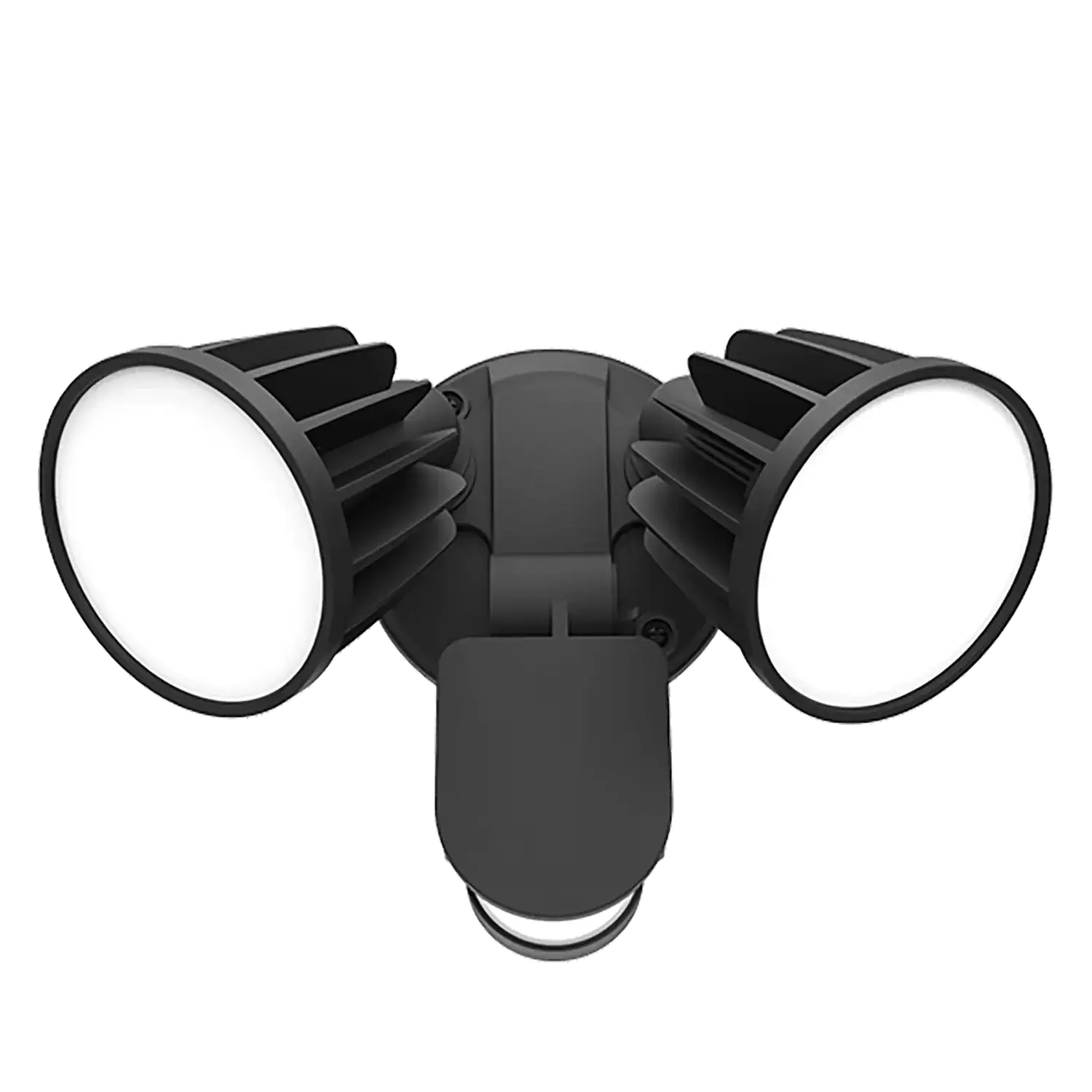
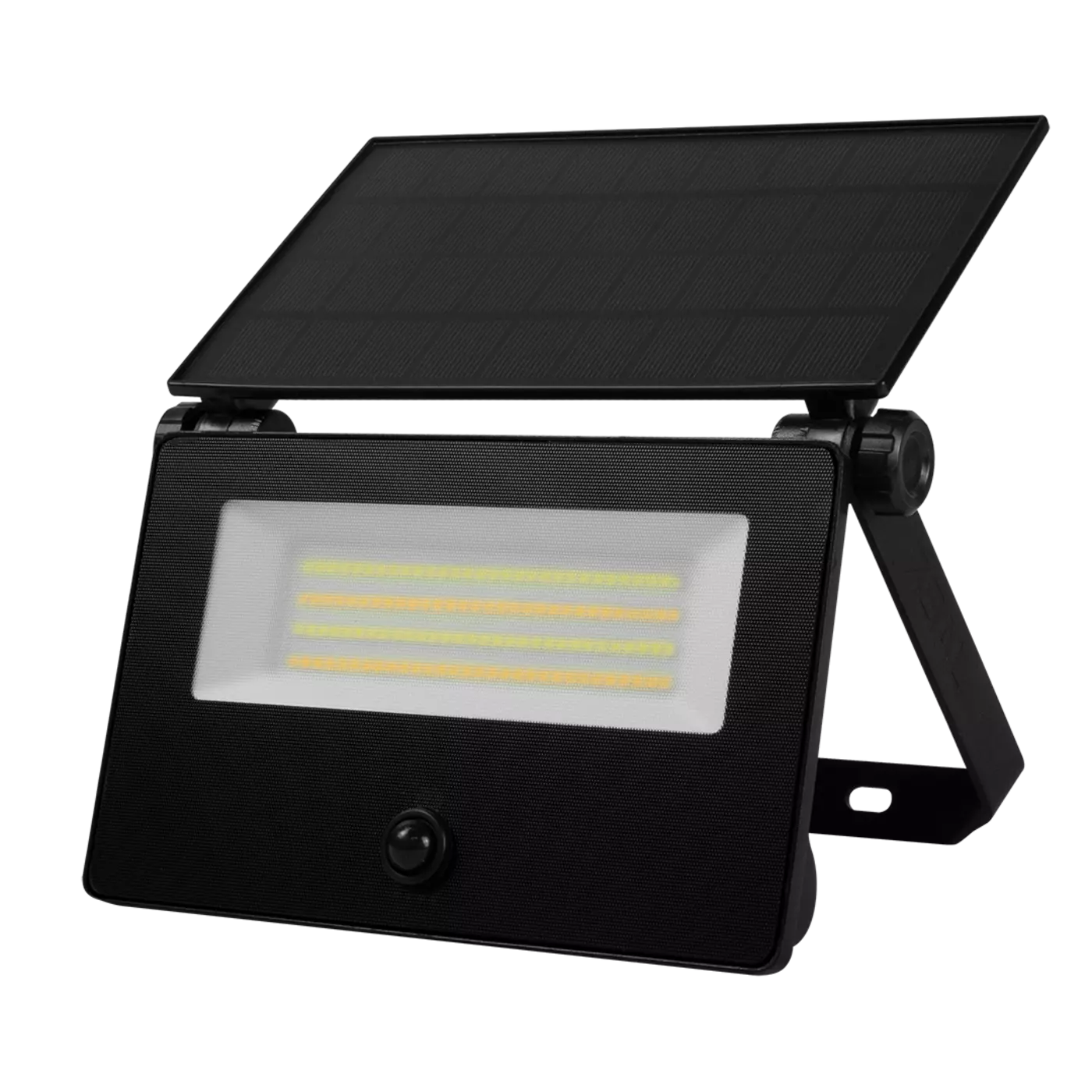
PIR motion sensors are the most widely used motion sensors in New Zealand homes and businesses due to their reliability, efficiency, and affordability. They operate by detecting changes in infrared heat emitted by people or animals as they move within the sensor’s detection range. Because PIR sensors are passive—meaning they do not emit any signals themselves—they consume very little power and are highly dependable in everyday lighting and security applications. When a warm object moves across the sensor’s detection zones, the
PIR sensor triggers an electrical signal that activates a light, alarm, or control system. In New Zealand, PIR sensors are commonly installed in residential indoor and outdoor sensor lights, security systems, garages, driveways, and commercial buildings. Their ability to perform well in varying light conditions and outdoor environments makes them especially suitable for energy-saving lighting solutions across the country.
Common Applications:
- Residential indoor and outdoor sensor lights
- Security systems
- Garages and driveways
- Commercial buildings and offices
Advantages:
- Energy efficient
- Cost-effective
- Reliable for human detection
- Ideal for outdoor use
Learn About Microwave Motion Sensors
Microwave motion sensors are becoming increasingly popular in New Zealand, particularly in commercial, industrial, and indoor settings where higher sensitivity is required. These sensors work by emitting continuous microwave signals and analysing the reflected waves. When movement occurs, the reflected signal changes, triggering the sensor.
One of the key advantages of microwave sensors is their ability to detect motion through non-metallic materials such as glass, thin walls, or doors, allowing for broader and more flexible coverage. They are commonly used in commercial corridors, stairwells, warehouses, storage areas, bathrooms, and shared facilities.
Due to their high sensitivity, microwave sensors are especially effective in enclosed or complex spaces, though they may require careful adjustment to avoid false activations.
Common NZ Applications:
- Commercial corridors and stairwells
- Warehouses and storage areas
- Bathrooms and shared facilities
- Areas with obstructions such as glass or thin walls
Advantages:
- Very sensitive detection
- Can detect motion through non-metallic materials
- Effective in enclosed or complex spaces
Lighting Motion Sensors: Smarter and More Efficient Lighting
Lighting motion sensors automatically turn lights on when motion is detected and switch them off after a set time of inactivity. These systems are commonly found in homes, offices, warehouses, parking lots, and outdoor areas.
There are several types of sensors used in motion sensor lighting, each designed for specific applications and environments. At Sparky Shop, we specialise in supplying PIR sensors and microwave sensors, the two most reliable and widely used technologies for modern sensor lights.
Heat detection sensors, commonly known as PIR (Passive Infrared) sensors, activate lights when they detect a change in heat caused by people or animals moving within the detection area. Because PIR sensors are energy efficient, accurate, and cost-effective, they are the most popular choice for residential and commercial lighting applications.
Microwave sensors work by emitting high-frequency microwave signals and detecting changes in the reflected signal when movement occurs. These sensors are highly sensitive and can detect motion through non-metallic materials such as glass, thin walls, or doors. This makes microwave sensors ideal for indoor spaces, corridors, stairwells, and areas where early detection is required.
Mounting Options: Surface vs Flush
When choosing motion sensors, installation style matters because it affects performance, appearance, and ease of installation.
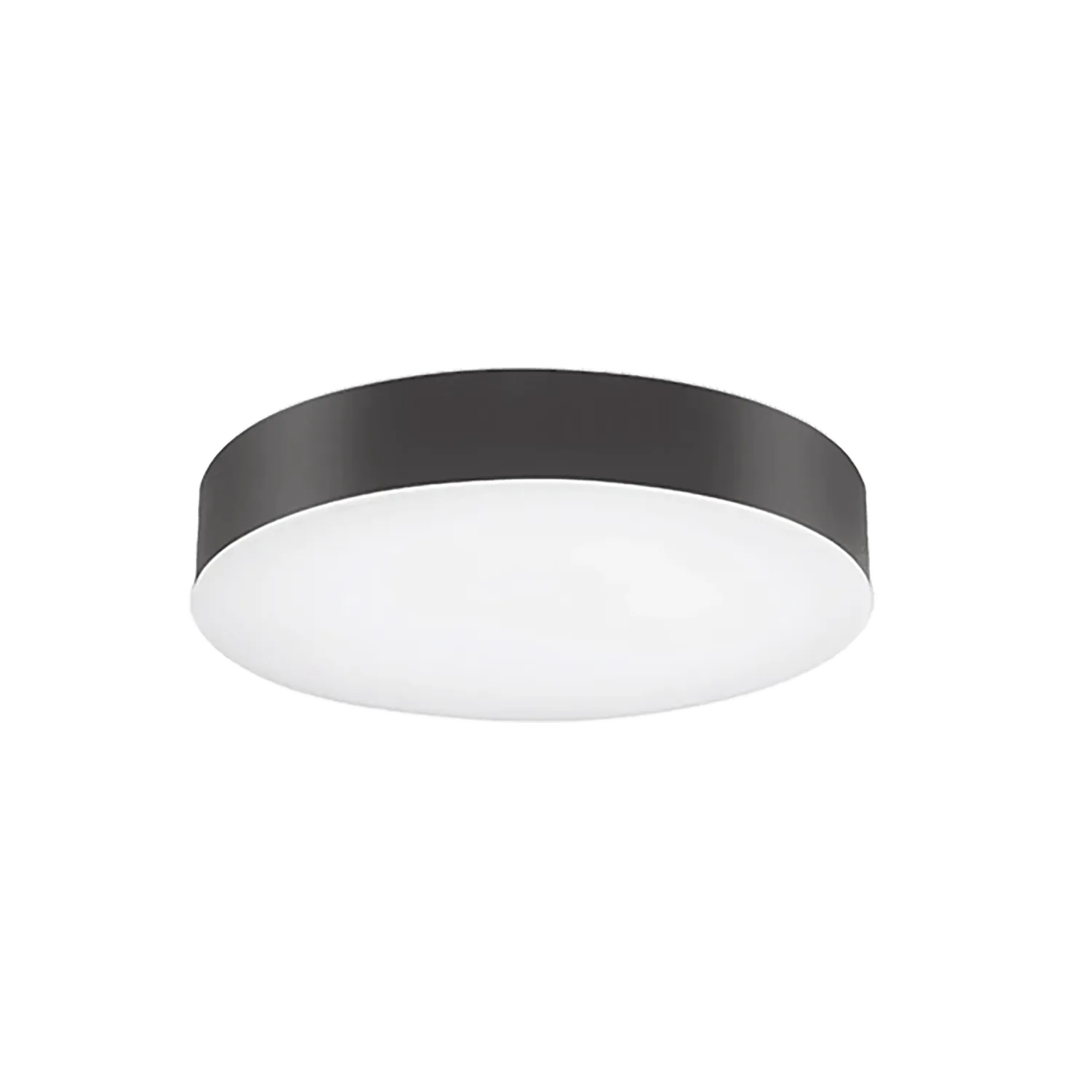
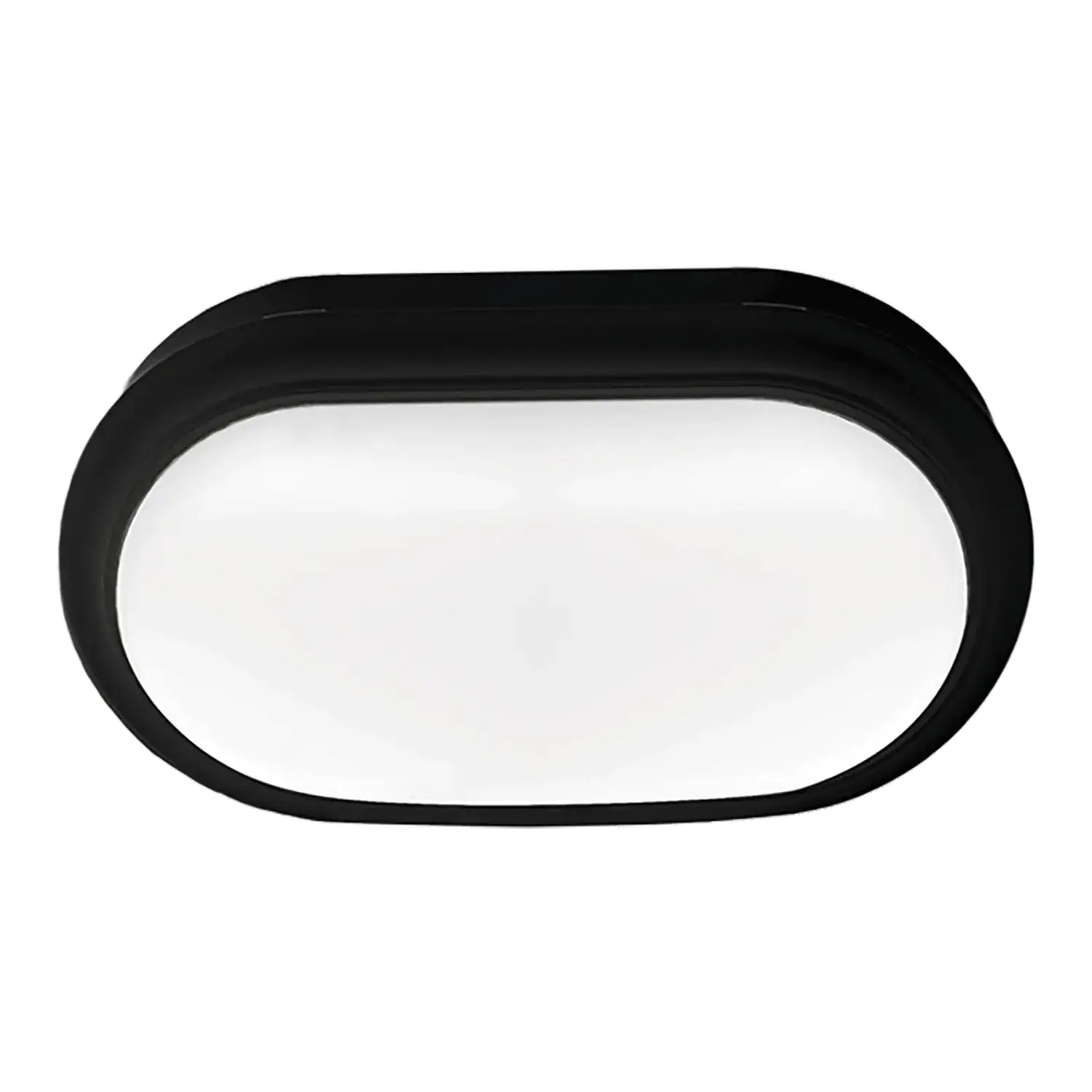
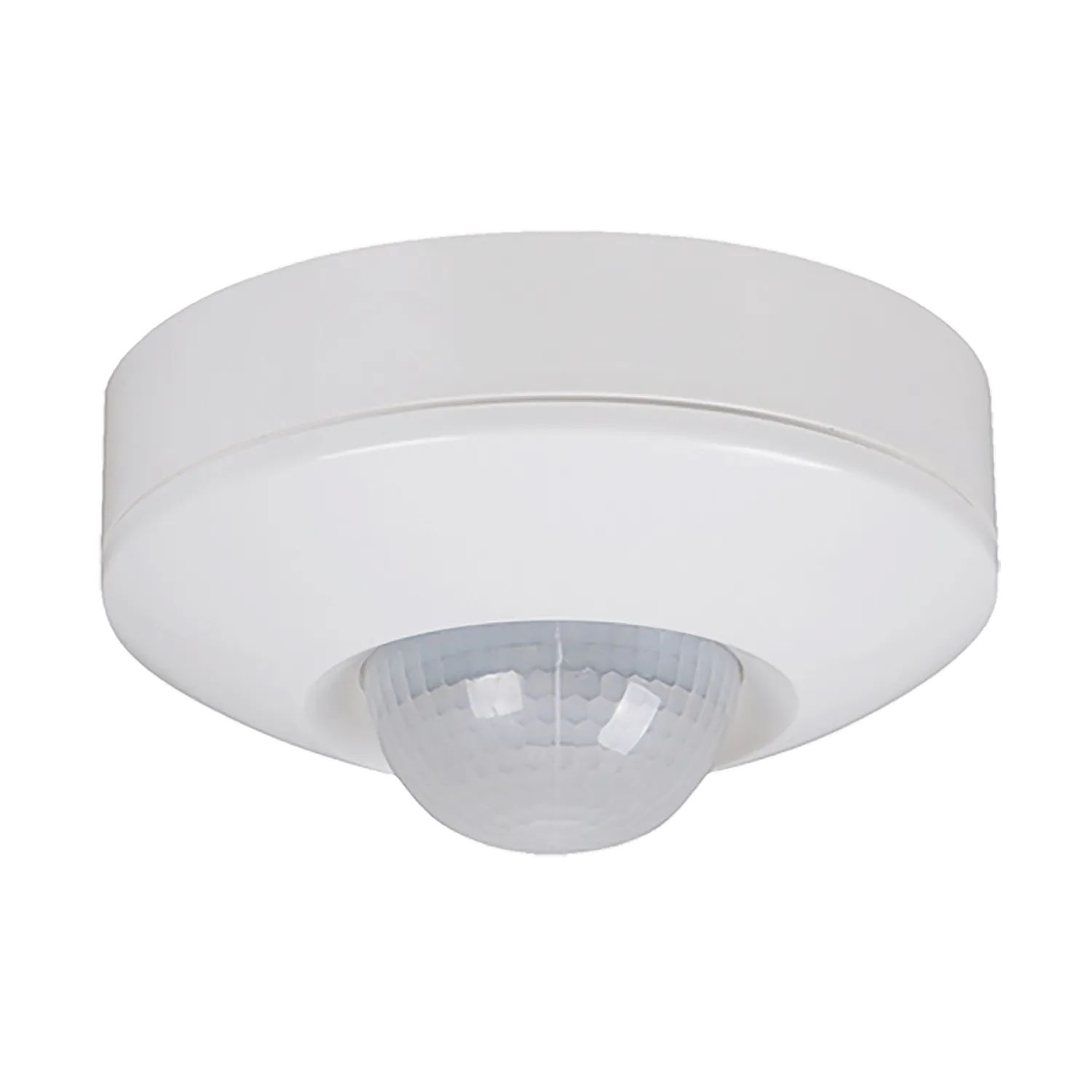
Surface-mounted motion sensors are installed directly onto walls or ceilings without the need for cutting or major structural changes. This makes them ideal for retrofitting existing buildings, warehouses, parking areas, and industrial spaces. Surface-mounted sensors are easy to install, access, and replace, which reduces maintenance time and costs. They are often preferred in environments where functionality and flexibility are more important than aesthetics.
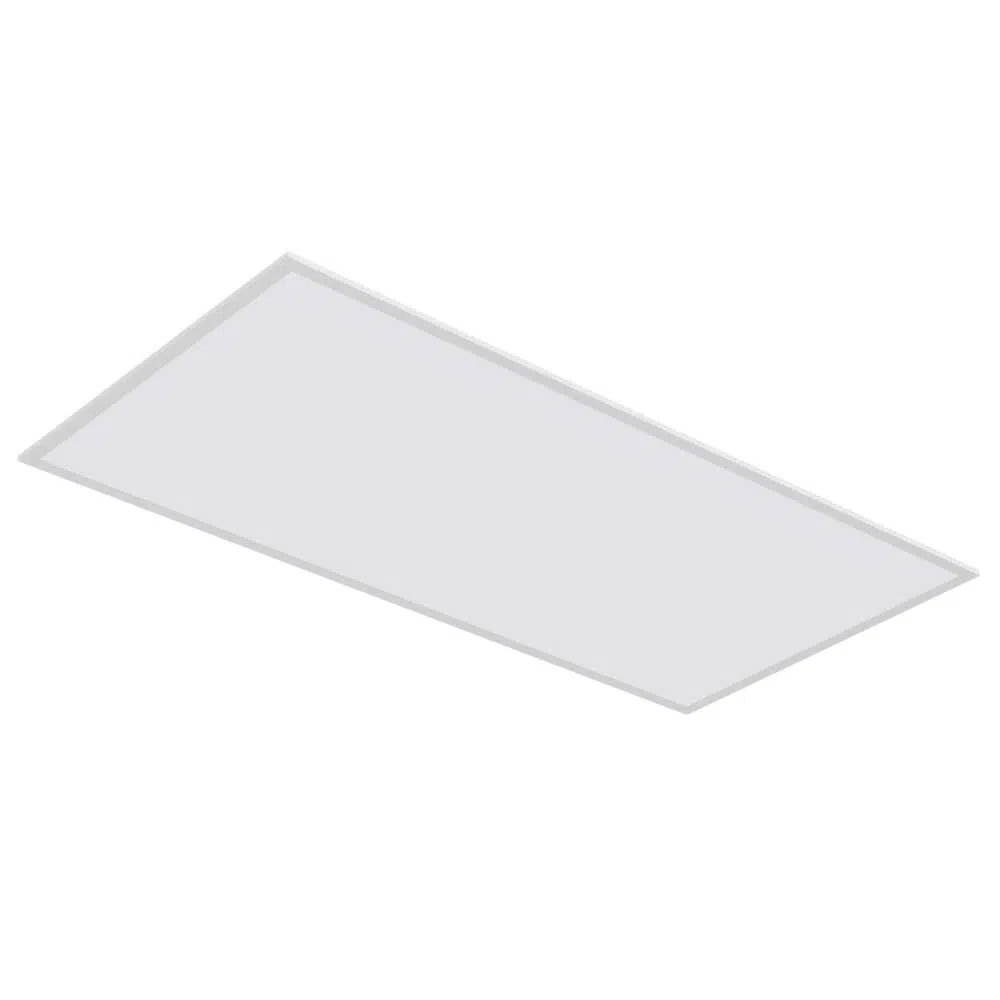
Flush-mounted motion sensors, on the other hand, are recessed into walls or ceilings so that the sensor sits level with the surface. This installation method provides a clean, seamless, and modern appearance, making flush-mounted motion sensors popular in offices, hotels, residential buildings, and commercial interiors where design is a priority. Although installation typically requires more planning and precise cutouts, flush-mounted sensors offer a discreet solution without compromising detection performance.
FAQs
-
How much are motion sensors?
Motion sensor prices vary based on type, features, and application. Basic PIR motion sensors can start at a low cost, while advanced smart or outdoor models with extended range and weatherproofing are more expensive. On average, prices range from budget-friendly options for homes to higher-end solutions for commercial use.
-
What are the best outdoor motion sensors?
The best outdoor motion sensors are weather-resistant, have adjustable sensitivity, and offer a wide detection range. PIR-based outdoor motion sensors are popular due to their reliability and low false-alarm rates. Look for models designed specifically for outdoor use with proper IP ratings.
-
What are surface-mounted motion sensors?
Surface-mounted motion sensors are installed directly onto surfaces without cutting into walls or ceilings. They are easy to install, maintain, and replace, making them ideal for renovations and industrial applications.
-
What are flush-mounted motion sensors?
Flush-mounted motion sensors are installed inside ceilings or walls so they sit level with the surface. They are commonly used in modern interiors where aesthetics are important, such as offices, hotels, and high-end residential spaces.